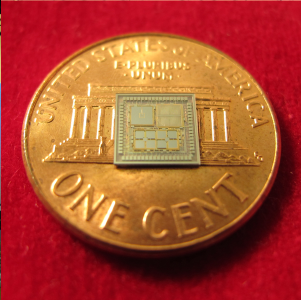
This micro-ANS chip is one of five inventions DARPA is working on to help improve or replace GPS
GPS has become such an integral part of modern technology, it is hard to imagine how most of it would work if this revolutionary technology wasn’t around. It seems like everything has GPS chips nowadays: cars, boats, trains, planes, phones and watches to name a few.
But all technology has limitations, and GPS is no exception. Signals cannot be received underground, underwater or inside buildings. The signals are significantly degraded during solar storms and are susceptible to jamming and spoofing, making GPS navigation a little dangerous for military purposes.
To address this, DARPA has been researching new ways to provide real-time positioning, navigation and timing (PNT) information to replace GPS. A lot of these innovations are super technical and still in the experimental phase, but they seem pretty cool.
DARPA’s current PNT portfolio includes five programs, focused wholly or in part on PNT-related technology: read more
 This week in GPS
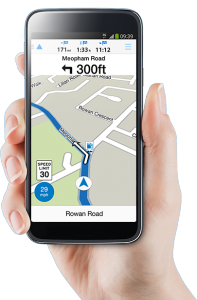 Garmin has, apparently, released a study showing that a staggering amount of people are utterly unable to read a paper map. While I cannot find the actual research from Garmin, several websites (like