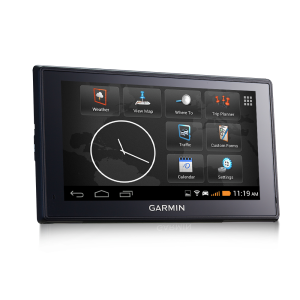
While it’s not ready for release just yet, Garmin has announced that they are working on a new Android powered GPS unit designed for local and commercial fleets. The FleetTM 660 and 670 have unique customization options common to Android devices and allow for integration of applications from partners and companies as well as widgets to store important information. Basically, it’s a GPS that acts like a phone with a GPS navigation focus. read more

New GPS Tracker Designed Specifically for Cats
There are dozens of trackers designed for dogs and kids and everything in between, but many of them are too large to comfortably fit a cat. Multi-purpose trackers are often marketed to dog owners, but as any cat lover will tell you, our feline furry friends travel quite a bit differently than their canine cousins and heavy rectangular trackers simply won’t work for fussy kitties.
Introducing Pawtrack, a GPS collar designed specifically for cats. The tracker is currently seeking funding on Kickstarter with a little over two weeks left, more than half of the goal pledged and an expected launch date this November.
Leikr GPS Sport Watch Features OpenStreetMaps
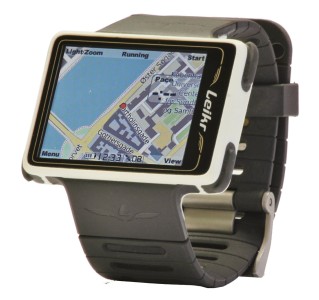
Introducing the Danish-made Leikr GPS Sport Watch, a multi-sport GPS watch designed for running, cycling and endurance sports. The watch has features that you would expect in any normal GPS sport watch including measuring speed, distance, heart rate (with the appropriate heart monitor), calories burned and pace to name a few. What makes this watch stand out for me, however, is their integration with color maps from OpenStreetMaps and the large 2 inch screen which features several levels of zoom and shows you an actual map view of the streets around you. read more
Two Galileo Satellites Scheduled for Launch
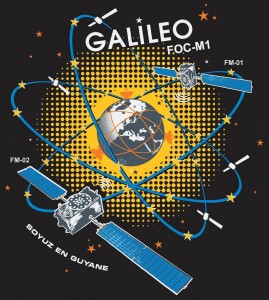
This Thursday the fifth and sixth Galileo satellites are scheduled for launch at 12:31 GMT from Europe’s spaceport in French Guiana. They will be launched at the top of a Soyuz rocket and should be operational sometime this fall, bringing the Galileo system one step closer to offering initial services. Once the satellites are in space, the European Space Agency (ESA) will take control and conduct additional testing to verify accuracy and functionality. read more
History of Geocaching
International Geocaching Day is today—the third Saturday of every August—and this year I wanted to celebrate the event with a look at the history of Geocaching. It isn’t as old as you might think and was created here in the U.S. But first, we’ll have to take a moment to look at why this modern-day treasure hunt is even possible.
GPS Selective Availability Ends
When GPS was developed by the U.S. Department of Defense and deployed in 1995, it was originally intended for military use. Because of this, the civilian sector only could receive scrambled signals, known as Selective Availability. What this meant was the signals that non military personnel could pick up were only accurate to within 100 meters–not enough to accurately use for, well, anything.
This Week in GPS — August 15, 2014
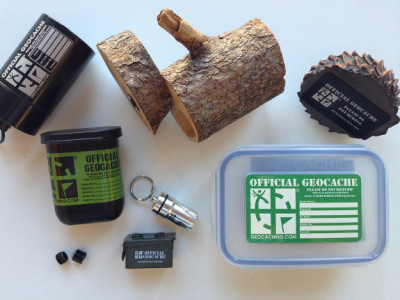
This week in GPS is a weekly link roundup of (mostly) GPS related odds and ends, from GPS Tracklog and other places around the Web. This week’s featured image a lineup of geocaching containers in honor of International Geocaching Day, which is tomorrow. Be sure to check back for our article on the History of Geocaching! read more
Study Shows Shoppers Reject Indoor Tracking
Indoor GPS technology has become quite the topic here recently. Quite a portion of the articles I have found are on all the different methods that we can use to take GPS navigation and implement it inside a building. Airports, malls and other large structures would benefit, some say. However, the idea of a corporation tracking shoppers movements is not something that has been widely accepted.
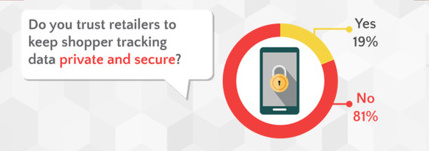
OpinionLab recently conducted a study asking consumers whether or not they would be comfortable letting companies track them and under what circumstances it would be acceptable or not. The infographic they have created is below, but basically the consensus is that a majority of shoppers are definitely not comfortable with sharing their location and data with companies. The most common reason was security—they didn’t believe that the company would keep that information private. In fact, around 44% said that if a company implemented a tracking program they would be less likely to shop there.
Check out the numbers for yourself: read more
Hertz Launches NeverLost Companion App
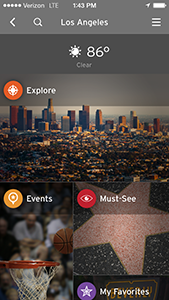
Hertz and Navigation Solutions have announced the launch of an app to complement their NeverLost GPS Navigation System. The new app, NeverLost Companion, is a travel app designed to seamlessly integrate with their GPS systems and provide travel information and POIs and events or more than 40 cities in the U.S.
The app is run through your Android or iOS smartphone. When you open the app, you can pick a city and then browse through popular locations, local events, sports venues, parks, neighborhood details, tour information and more. You can share your trip with Facebook/Twitter integration and save your favorite locations and cities to get back to them quickly when you travel. Once you have discovered new places, you can then sync the app to your Hertz NeverLost GPS Navigation System and get instant directions there. read more
Smallest GPS Tracker Available Online
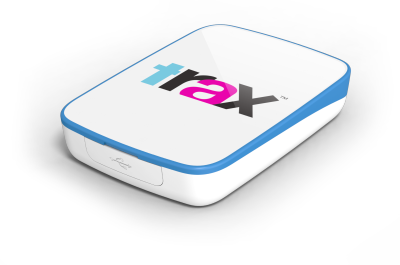
A new GPS tracker claiming to be the ‘smallest real time GPS tracker in the world’ completed its funding on Kickstarter and is now available for purchase on their website. It’s called Trax and while I don’t know about it being the smallest, the device only measures about 1.5 inches by 2 inches and weighs around 30 grams (1.06 oz) which is pretty tiny. Trax is designed for kids and pets and can be attached to a shirt, lanyard, pet collar or any number of things. read more
Galileo Satellite Testing Successful
As the first of two additional Galileo satellites designated for launch next week prep for their lift off, testing has concluded on the Galileo satellites already in orbit. The first encrypted signals were received and tracked successfully during a 10-day testing period. The goal of the tests, Spatial Source reported, was to verify the functionality of the Galileo Commercial Service (CS) signal’s encryption functionalities. read more