Sunday, March 18, 2012

Archives for June 2014

Track Your Luggage with a GPS Tag

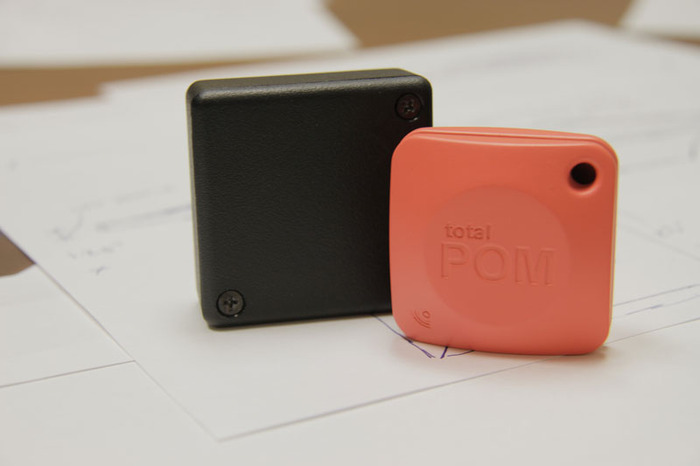
POM, a kickstarter GPS locator is one of many new GPS trackers trying to break into the growing market.

POM is off to a slow start on Kickstarter; one of many new GPS trackers trying to break into the growing market.

Anyone who has travelled can relate to the lost luggage worries, but with the increasing number of GPS luggage tags, it may soon be a thing of the past. The Airline Transportation Industry reported that in 2012 there were 26 million bags lost. And, according to the same baggage report, roughly 68% of the lost bags were due to mishandling during a transfer or a failure to be loaded on the plane. It may seem like a lot, but the report goes on to explain how even those staggering numbers are nearly half the statistics reported for 2007. read more
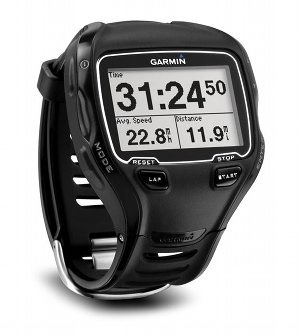

GPS Deal: Garmin Forerunner 910XT Rebate

Garmin-Forerunner-910XT.jpg

Posted June 30, 2014  Garmin is offering a $50 mail-in rebate on the Garmin Forerunner 910 XT. The rebate is valid on purchases made from May 16, 2014 through July 31, 2014. Submissions must be postmarked by August 31, 2014. Limit two rebates per customer. See the PDF Rebate form for details.

Vechicle Regulations for GPS in the Works

Auto-GPS-FAQs

Navigating with a GPS during trips instead of an atlas has become more and more popular–but is it a risk for already-distracted drivers? As technology becomes more common, more and more people are concerned about distracted drivers becoming a danger to those around them. Phones are the usual culprit for such worries, but now the Department of Transportation has begun to point to GPS devices as well. read more

First Commercial Handheld GPS Celebrates 25 Years

Nav1000

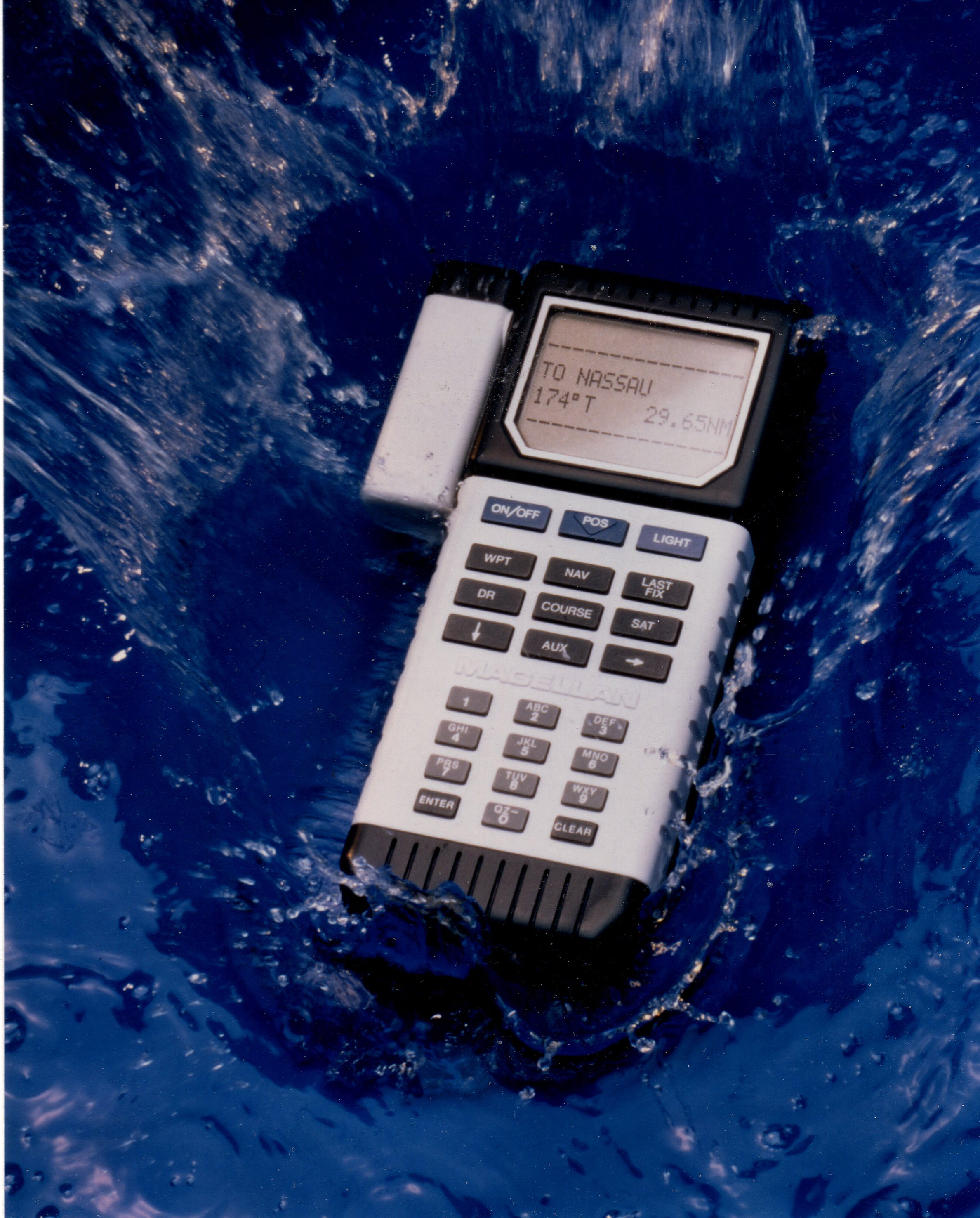
Weighing in at 1.5 lbs and taking 4 minutes to calculate latitude/longitude, this beast is currently on display at the Smithsonian National  Air and Space Museum

Twenty-five years ago this month, Magellan released the first handheld GPS available to the public. The futuristically named Nav 1000 was primarily marketed to boaters in 1989. The handheld unit measured 8.75″ x 3.5″ x 2.25″ and weighed 1.5 pounds. The device was designed to be waterproof, non-corrosive, buoyant and constructed of a durable compound to withstand shock, vibration, humidity and temperature extremes. read more

Boeing Completes Testing on New GPS Satellites

satelliteconstellation

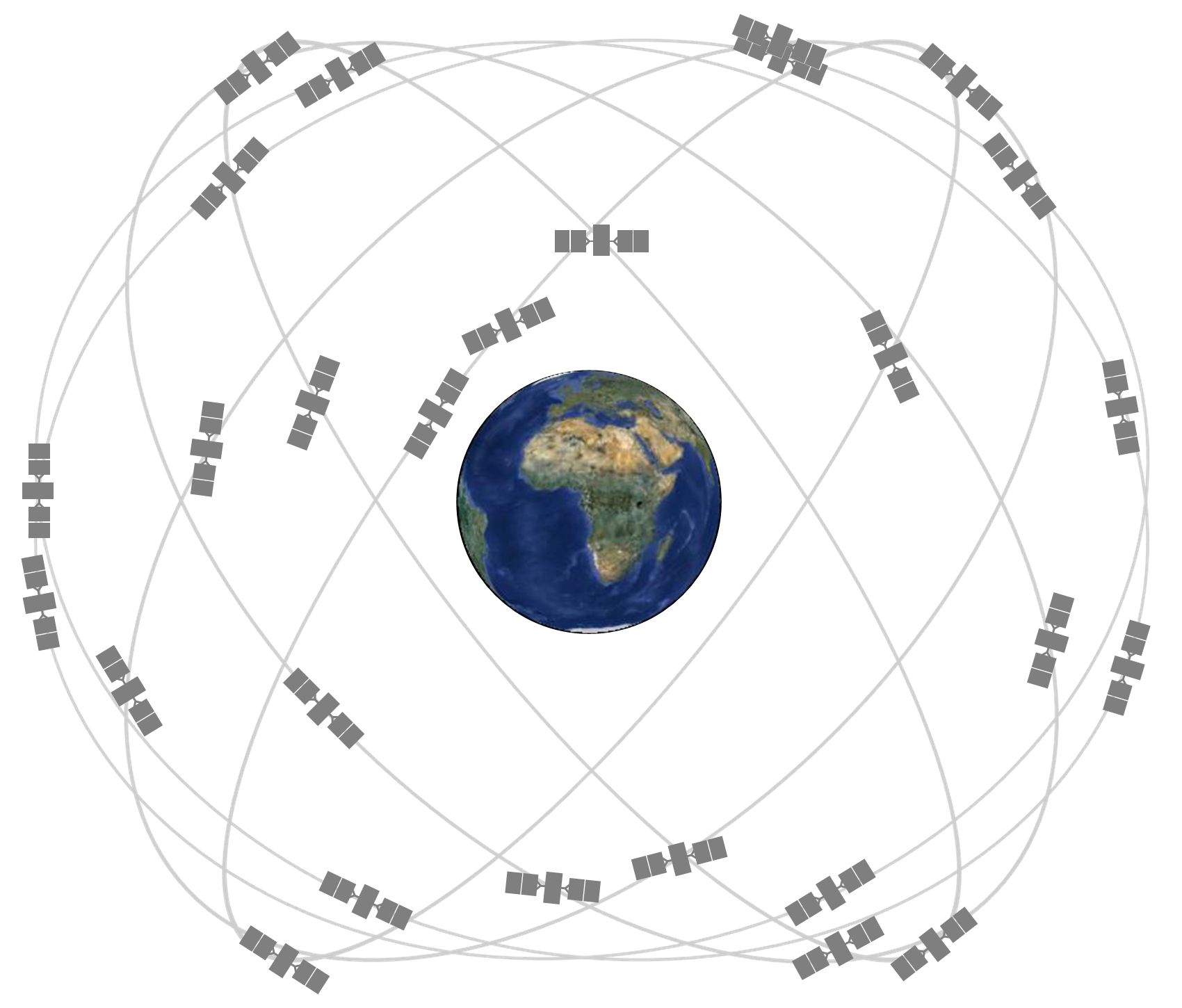
Boeing has completed and shipped six of the 12 GPS 2F satellites to the U.S. Air Force today after on-orbit testing was completed successfully. The 2F satellites are the fourth generation of Boeing-manufactured GPS devices designed to improve GPS signal performance and accuracy worldwide. The United Launch Alliance (ULA) launched the sixth GPS 2F satellite from Florida on May 16, 2014, marking the second launch in three months. The next launch is scheduled for the third quarter of 2014. read more

Aldi Offers Deal on Multi-Sport GPS Watch

GPS watch

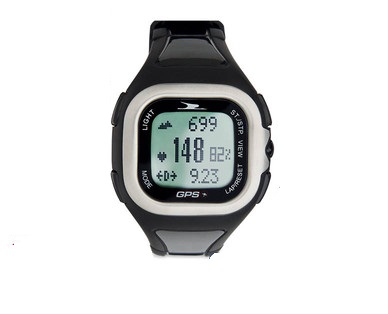
GPS of any kind can be terribly expensive, but this Sunday Aldi will be offering their multi-sport GPS watch for a bargain. Priced at £65, this watch, unfortunately, appears to only be offered in the UK and has several impressive features for the price. The creatively named Unisex GPS Watch has five different training modes for running, hiking, cycling, sailing and a blank mode for users to create their own.  The watch offers GPS navigation with waypoints, distance and speed measurement as well as a compass, an altimeter and the ability to track pace and time goals. The watch comes with a chest strap to measure heart rate, a bike mount, a USB data transfer cable and some software to help evaluate data. It’s water resistant and comes in three colors with a free three year warranty and a 60 day return policy–I’m not sure what else you could ask for that price.

This isn’t Aldi’s first trek into the world of GPS watches, so hopefully it will be available in other countries soon! If you want it, though, you’ll have to get there early.

Geocaching Tips for Beginners

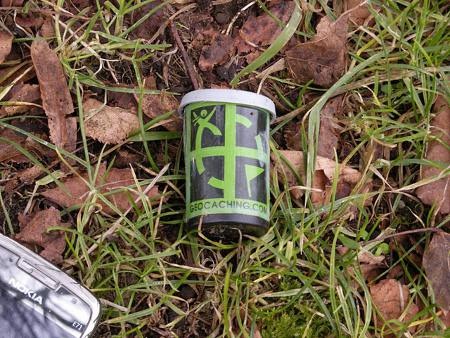
Geocachingcontainer.jpgThe world of geocaching is full of adventures and treasures to be found. But, for beginners who may not have a GPS device or have not used it outside of city directions, it can be a little daunting to get started. The only rules with geocaching are to sign the logbook, don’t let Muggles (people who don’t geocache) see you getting the cache, replace the cache exactly how you found it, and leave something if you take something. And have fun. It’s that simple!

Here are a handful of things to consider once you decide to try your hand at treasure seeking.

Do Your Research

There are several different websites where you can log geocaches, each with their own pros and cons. The most common is geocaching.com, by far one of the largest geocaching sites. Sometimes the geocaches are a little questionable, but the sheer number of entries to choose from is extensive. Another slightly smaller site is TerraCaching, which claims to focus more on quality and nature with their caches than other bigger sites. Last, but not least, the Garmin-owned OpenCaching is still in beta, but has, understandably, a bit more compatibility with sending maps to your Garmin GPS. It also has a much smaller listing of caches.

If you’re just getting started, we recommend making an account on geocaching.com and working from there, depending on what you like. read more

Ethertronics releases world’s smallest GPS antenna

EtherHelix_Side_webEthertronics has announced the release of the world’s smallest GPS antenna, EtherHelix GPS, that measures 35 mm (about 1.4 inches) and weights only 11.8 grams. This tiny antenna is 27 percent shorter than other antennas on the market, but doesn’t seem to lack in any category other than size. The EtherHelix can be tuned to various SATCOM frequencies and various polarizations (RHCP or LHCP). Designed using Ethertronics’ patented Isolated Magnetic Dipole (IMD) technology, this antenna has a high tolerance to frequency shifts due to the high RF isolation and will resist detuning that would otherwise cause poor reception. read more

Microsoft Developing Indoor GPS Without Wifi

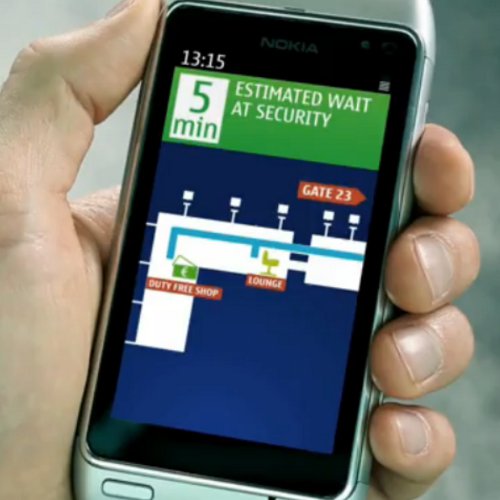
In the world of indoor GPS, Nokia has a Wifi-based High Accuracy Indoor Positioning System. But Windows is determined to best that.

In the world of indoor GPS, Nokia already has a Wifi-based High Accuracy Indoor Positioning System. But Windows is determined to best that.

Soon the world of GPS will be headed out of the parks and into shopping malls and buildings all over the country. Microsoft has released a study exploring technology they are currently researching to bring GPS indoors without the use of Wifi. According to the study, the solution to the indoor GPS problem is by attaching a steerable, high-gain, directional antenna to the front of the GPS receiver which helps attain location fixes using signal processing from the cloud with acquisition results from different directions over time.

The research team tested their theory with a 10×10 inch board with 16 antennas arranged in a ray in 31 random indoor single-story locations such as warehouses and shopping centers. They were able to obtain location fixes in 20 of them with a median error of less than 10 meters. According to Jie Liu, a principle researcher at Microsoft, this is a test that all conventional GPS receivers fail. With more research, Liu said he expected the technology to shrink to a more viable size. read more

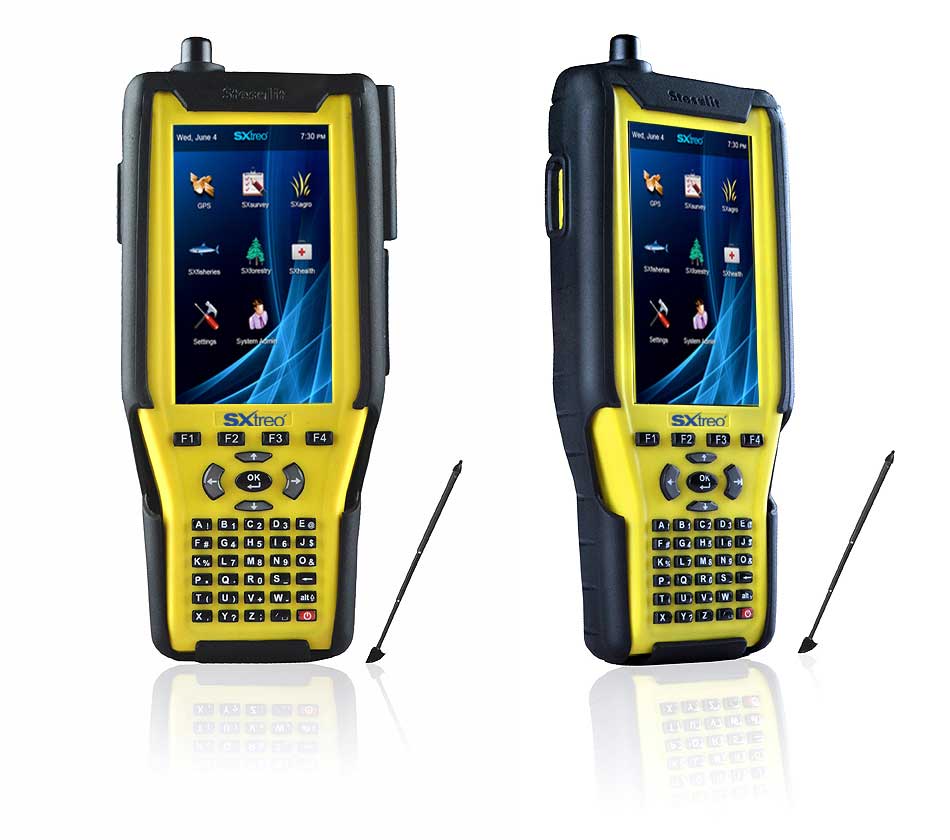
New Rugged GPS Released for Extreme Conditions

sXtreo GN11 Precision GNSS Device

sXtreo GN11 Precision GNSS Device

Stesalit has announced the availability of their sXtreo line of handheld GPS computers, designed to withstand just about anything. Designed for use in field surveys, field work under extreme conditions, industrial use, and infrastructure sectors such as agriculture, forestry, roads, security and construction, these devices are rated IP68 and are waterproof, dustproof and shockproof with a wide range of features including  built-in mobile GIS applications. All the devices come with a USB port for uploading data, and the ability to do waypoint surveys, geotagging photos and other GPS features. Initially designed to be used in India’s varying climate, these devices would be suitable for use in dozens of other countries as well. read more