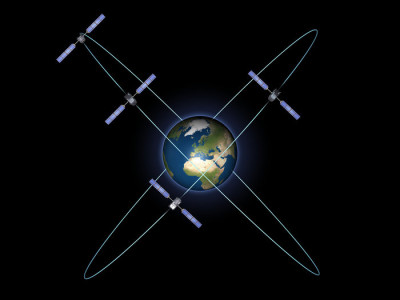
Galileo’s current four-satellite constellation will be increased by two in August. Photo courtesy of ESA’s P. Carril
The Galileo constellation will be two satellites closer to functionality after the launch scheduled for the middle of August. There are currently four operational Galileo satellites in orbit. Galileo will not be considered fully functional until all 30 satellites are in position and functional. The two newest satellites will be launched in from French Guiana on August 21, 2014.
Unlike the U.S. GPS satellites, the Galileo system is expected to be extremely accurate with the ability to determine positions within a few centimeters when fully functional. The goal with the satellite constellation is to have anywhere from six to eight satellites visible from anywhere on the planet, as opposed to the original four necessary when GPS was first implemented. read more
 Texas A&M and the CDC have
  A new startup company
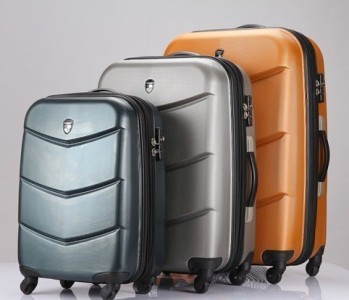 As we have written about in the past, losing your luggage when traveling is a serious problem that thousands of people suffer from every year. Companies and private inventors have been working towards a solution to this problem—most of which require a tag attached to the outside of the bag in question, and many don’t actually use the more reliable GPS technology.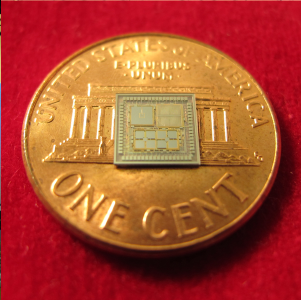
 This week in GPS
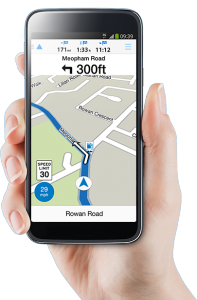 Garmin has, apparently, released a study showing that a staggering amount of people are utterly unable to read a paper map. While I cannot find the actual research from Garmin, several websites (like
 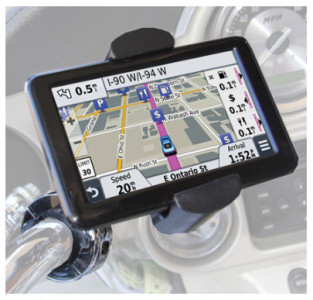 Today, PowerSportsUS has announced the release of their newest motorcycle mount, the