Sunday, March 18, 2012

Garmin Adds Driver Alerts to New Dash Cams

dashcam30-35_group

This week, Garmin has released information on its next generation of dash cams, which will provide not only an impartial eyewitness but also some new safety features. Garmin’s dash cams aren’t a huge segment of the GPS company’s business, but it has been working in the market some this year with the release of several new updates earlier this year. While these new units, the Dash Cam 30 and 35 will not include GPS routing, they will come with new features including driver alerts.

The new driver alerts will only be available on the Dash Cam 35 and include: read more

Make Art with Your Phone’s GPS

gpsasketch logo

Smartphone GPS really isn’t all that great at anything. In a pinch, it can get you from Point A to Point B but I wouldn’t recommend relying on it for anything major. You never know when your phone is suddenly going to lose signal, battery or both. However, there is one cool thing that you can do with your phone’s GPS, and that’s GPS art. read more

Garmin Updates Edge Devices with Strava

Edge520_nested

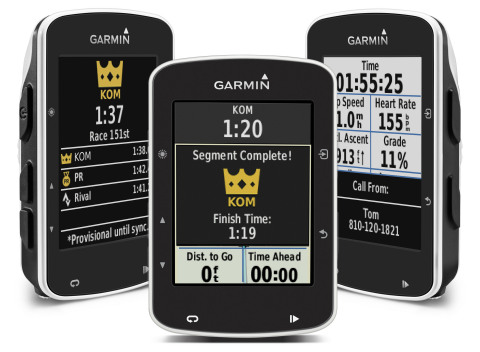
Great news today for all you Strava fans out there: Garmin has officially released a software update for several of its popular Edge devices which will add Strava Live Segments to the devices. The update was actually released on August 25 and should happen automatically whenever users connect their compatible Edge device to Garmin Connect on the computer. read more

SmartHalo Uses Light for Bike Navigation

smarthalo2

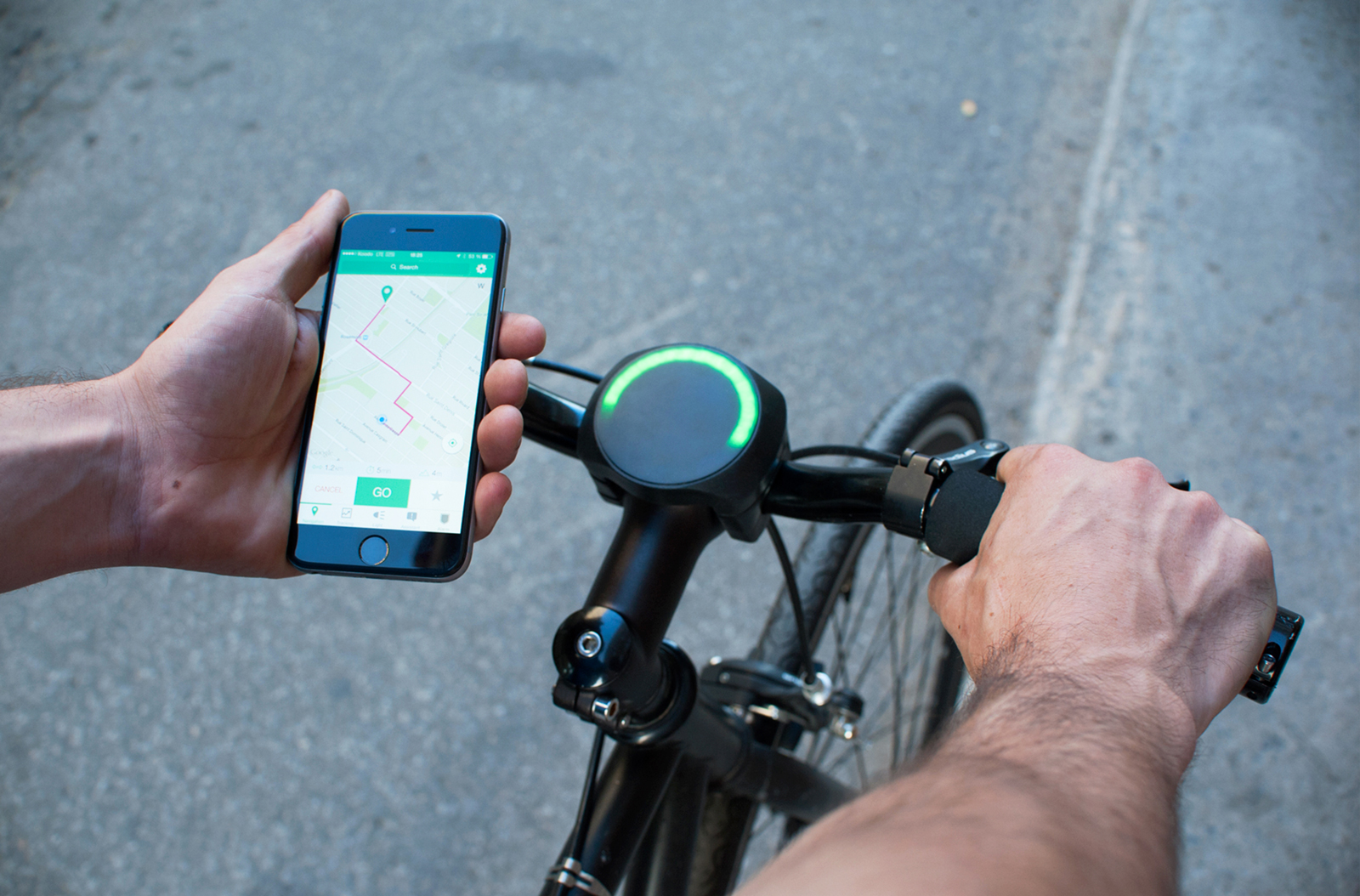
Cyclists don’t have any shortage of options for GPS equipment to help find their way, but sometimes when you’re trying to navigate through busy city streets, the last thing you want it a complicated device hooked up to your handlebars with a million different numbers and statistics included. Those cycling GPS devices are great on the trail, but urban cyclists might find it a bit much.

However, a company called CycleLabs launched a Kickstarter recently for a unique device called SmartHalo which not only provides simple and easy to understand navigation, but also a host of other connected features. It basically turns your bike into a smart bike and provides additional security features. read more

Yale Researchers Develop Navigation Cube

1140435_YaleNews

Researchers have been inventing new ways to utilize GPS for pedestrians for years. From haptic feedback placed inside of shoes or clothes to canes for the sight-impaired, there have been a number of solutions to the problem of how to get directions without looking at a screen or a map.

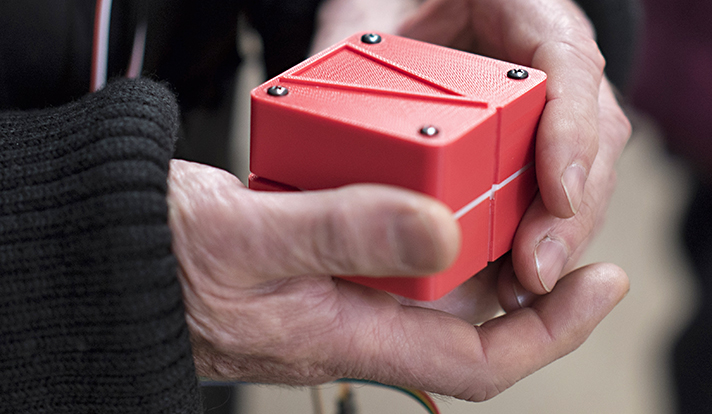
Yale researchers have developed what I think is probably one of the cooler methods for navigation. Called the Animotus, this 3D printed cube is designed to move and twist to indicate to the users which direction to walk. When users reach their destination, the cube twists back to its original shape. read more

Garmin Announces New 2015 Montana Devices

Montana680_HR_0032.6

Garmin seems to be on a trend this year with releasing slight upgrades to popular units from previous years. While this isn’t anything new at all (just look at the mess that is the Nuvi line or the various and recent iterations of the eTrex line) it does look like it’s going to be a continued trend.

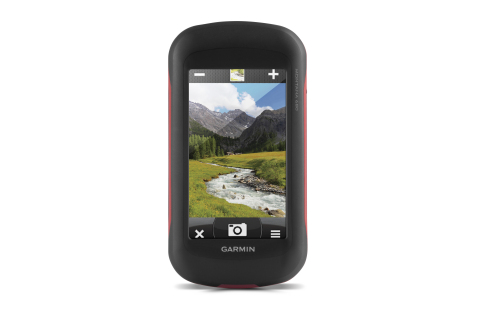
This week Garmin introduced four new Montana devices as successors to the popular Montana 600 and 650 series. Dubbed the Montana 610, 610t Camo, 680 and 680t, these devices feature slight upgrades over the previous models. And while they certainly look a lot shinier and slightly less bulky than previous devices, I’m not really sure they’ll be enough to convince Montana users to fork out the additional dough. The good news? The Montana 600 might finally drop down in price. read more

This Week in GPS — August 28, 2015

EdgeExplore1000_HR_0003.4

This week in GPS is a weekly link roundup of (mostly) GPS related odds and ends, from GPS Tracklog and other places around the Web. This week’s featured image is the new Garmin Edge Explore 1000, which was announced this week and should be available in the fall. read more

Sygic Expands App Capabilities With Update

gps-mob-960-1

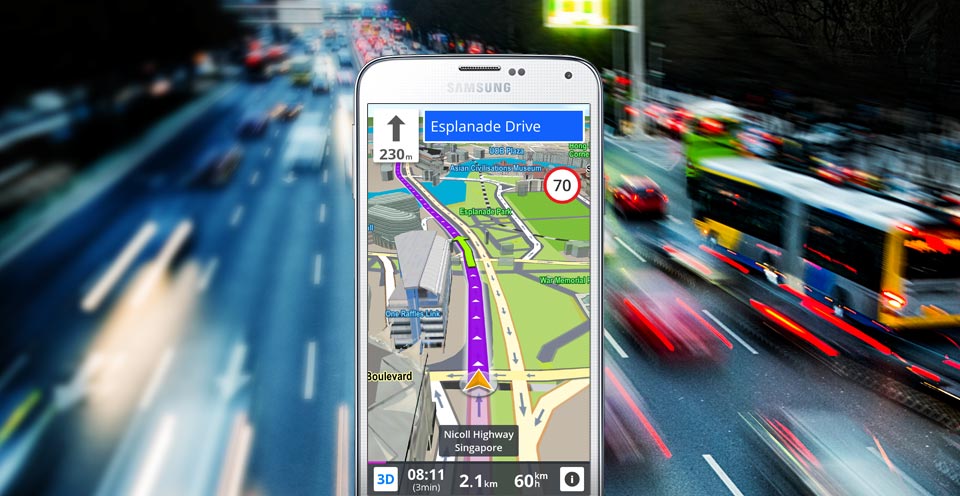
Despite the fact that dedicated GPS units tend to outperform smartphones as far as actual GPS signals go, a majority of people utilize some form of smartphone GPS application instead of a dedicated unit. I can’t deny it’s more convenient, at the very least, as most people won’t leave the house with a smartphone in hand. But, if you’re using your smartphone for directions, then you have the conundrum of which GPS app to use and you haven’t got any shortage of choices.

One of the companies that we don’t talk about all that much is Sygic. Unlike the more common free alternatives, Sygic is both more expensive and arguably more accurate. Powered by TomTom maps, Sygic offers an experience that is more akin to a dedicated GPS unit than a smartphone. Recently the company added a slew of features that might just be enough for you Google Maps users to sit up and take notice. read more

Garmin Introduces Edge Explore 1000

EdgeExplore1000_HR_0003.4

Garmin has released details on a new cycling computer this week. The Garmin Edge Explore 1000 is similar to the Edge 800 with a few safety upgrades as well as the ability to create routes on the fly, search for addresses, input routes and connect with various devices and sensors for a more immersive and statistics-driven experience. Hailed as a “touring and adventure” unit, the Edge Explore 1000 is attempting to be an all-in-one device for the serious cyclist. read more

Low Cost GPS Spoofing Method Discovered

hands-way-guide-tourist-large

GPS is probably one of the most frequently used governmental technologies of our decade. It is used by millions of people worldwide on a daily basis for everything from getting directions to tracking loved ones or even setting phone notifications based on location. Most people don’t even stop to think about everything that goes on behind the scenes. GPS simply works. But, what if it didn’t?

Pretty much all GPS technologies are vulnerable to GPS spoofing–or the act of sending fake signals to a GPS device to trick it into believing that it is located somewhere else. But, until now GPS spoofers were a little on the expensive side to create or purchase and so the threat, while there, was minimal for most devices. But, Chinese security researchers demonstrated recently that with the right know-how anyone could build a GPS spoofer. All you need is around $300 and some coding knowledge. read more