Sunday, March 18, 2012

Archives for 2016

Findster Duo Provides Real-time GPS Pet Tracking with No Fee

findster-duo

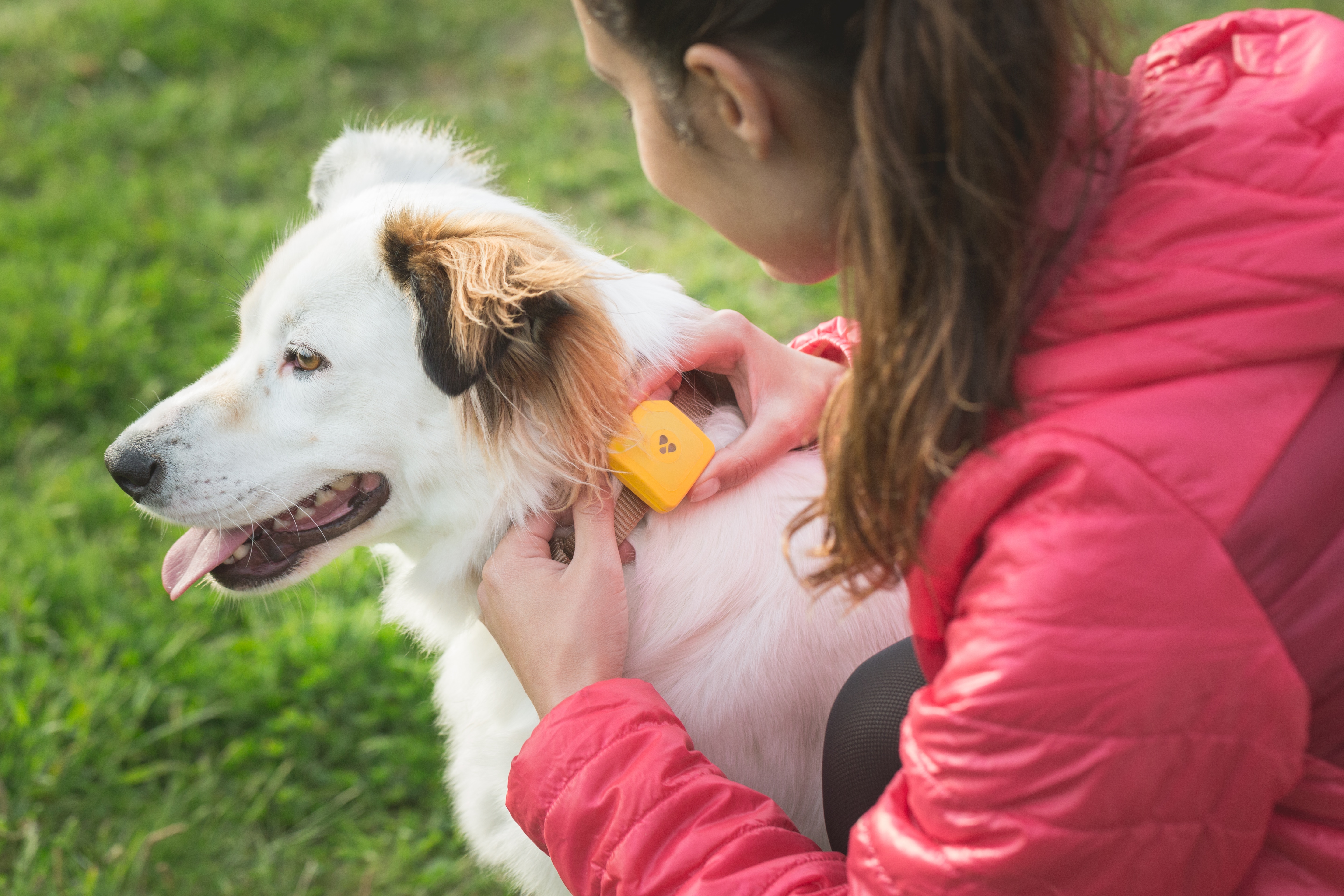
Whether your furry friend is a professional escape artist, or simply loves running and playing, it only takes a moment to lose them. For many people, your dog is a part of the family, and while there are plenty of GPS pet trackers, most of then are basically new versions of the exact same thing. However, the folks behind the popular Findster GPS tracker have announced that they are creating a new no-fee GPS pet tracker.

The Findster Duo features many of the same sorts of things that you’d expect from a commercial pet GPS tracker including 5-10 foot margin of error, invisible leash, built-in radar, security fences, and realtime GPS tracking. However, unlike most pet trackers on the market, Findster Duo doesn’t require any cellular connection, making it one of the only trackers with no monthly fee. read more

Garmin Announces vivofit jr. for Kids

vivofit jr, Broken Red, UNITED STATES

The sport and fitness tracker is expanding at a rapid rate, and with automotive GPS starting to taper in recent years, it’s no surprise. However, most trackers are basically more of the same—designed for adults who are looking to either track their fitness, or simply get reminders to stay active. But, Garmin announced recently that it has released its first fitness tracker for kids: the vivofir jr.

This device is designed completely with children in mind from the waterproofing to the bright fun bands suitable for any child. The stretchy band comes in a variety of colors including black, broken lava, digi camo, purple strike, and a flower pattern. The tracker is designed for children ages four to eight, and there are two sizes of bands to fit every kid.  read more

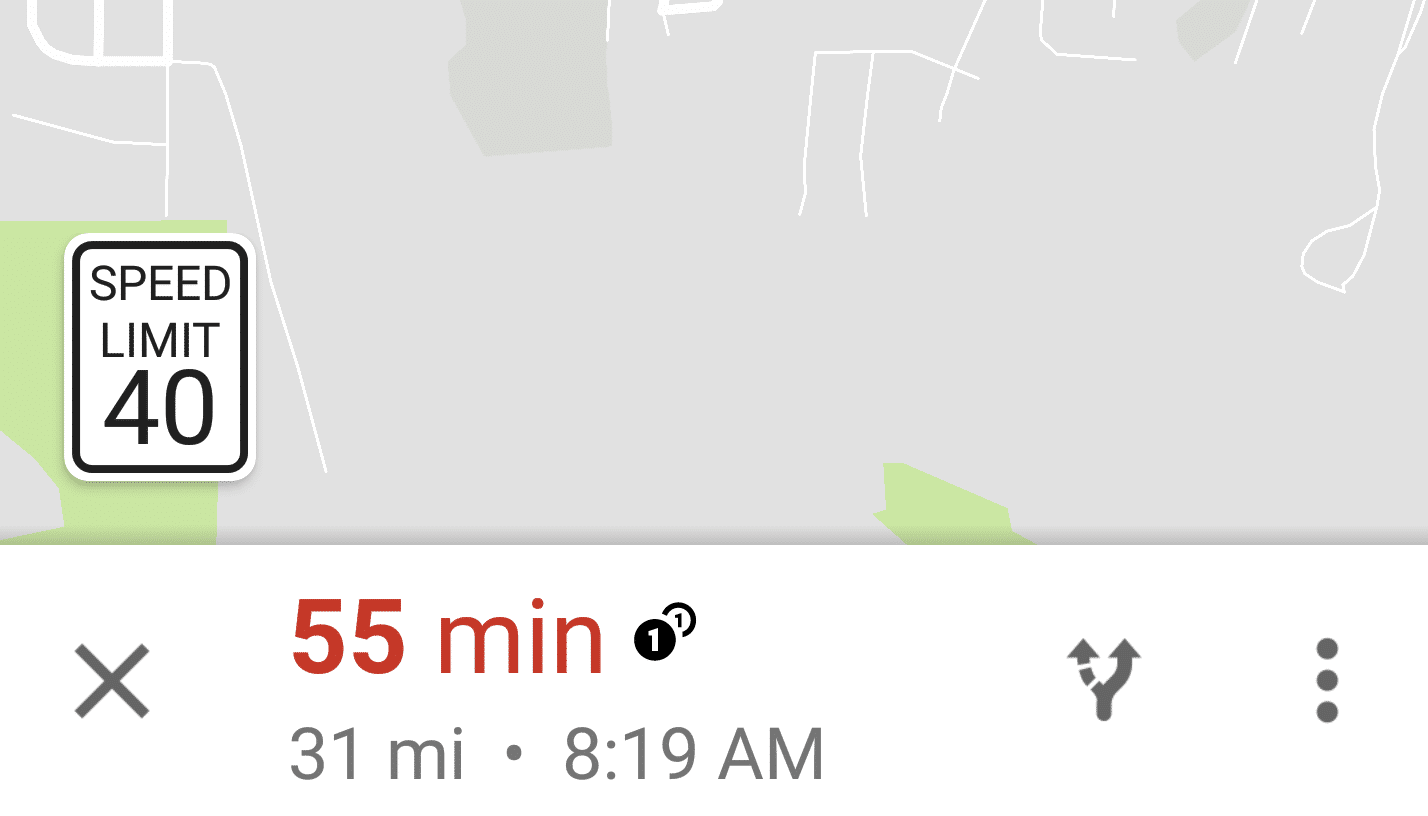
Google Maps May Be Adding Speed Limits


The above image was posted on Reddit in September

The above image was posted on Reddit in September

Since the advent of the smartphone, the GPS market has been fighting an uphill battle to prove to consumers that smartphones really can’t do everything. While standalone GPS devices are a bit more expensive, there are still some things that they do better than the almighty smartphone including signal reliability and better directions. But, it looks like that list might be getting shorter by the day.

Last month, several Google Maps users reported seeing speed limit indicators in the bottom corner of the Google Maps app. Waze, which Google purchased fairly recently, already had this capability so it’s not a huge surprise, but it is definitely worthy of note. read more

Australia’s GPS Coordinates Are Off Due to Drifting


australia_satellite_plane

Anyone who passed seventh grade could probably tell you that all the continents on Earth are not as stable as they seem. In reality, there are several tectonic plates which sort of move around on top of the upper mantle of the planet. That’s basic science. But, what most people probably haven’t considered is how that effects your GPS coordinates.

According to the National Geographic and the New York Times, Australia is actually moving around at such a rapid pace that the coordinates need to be adjusted before the end of the year. Since the last adjustment in 1994, the continent has moved 4.9 feet. That might not sound like a lot, but with more and more companies investing in precision GPS satellites that use that information, five feet is a big deal.  read more

REI Portland Offers GPS Basics Class

Hikers-with-GPS-hiking_thumb.jpg

While GPS is definitely not a new technology, it is surprisingly specialized. I am constantly shocked at how many of my friends and even my family are either completely oblivious, or else have absolutely ridiculous (and definitely incorrect) assumptions about how GPS works, how much it costs, how it can be used, and who uses it. It seems to be one of those technologies that, for most people, simply works.

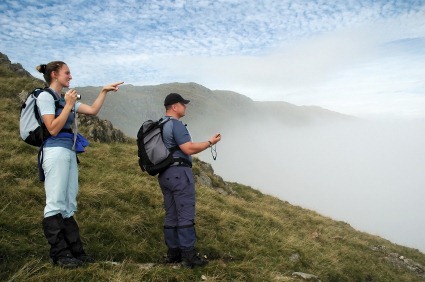
So, if you have someone in your life who has been trying to understand your GPS device unsuccessfully, then Portland’s REI company has a solution. On February 22, REI will be hosting a beginner class titled GPS Navigation Basics, which anyone can sign up for. In this class, which lasts two hours, participants will learn the basics of how to use a handheld GPS device including use, marking waypoints, navigation, tracklogs, and other basic information. read more

TomTom Introduces On-Street Parking Service

tomtom

We all know the struggle of trying to find parking. It’s especially frustrating to me when I am in an unfamiliar city, usually downtown, and one way streets are getting me turned around!

Fortunately, TomTom is working on a solution for its customers. The company recently announced an On-Street Parking Service. It seems TomTom is staying on track to further develop technology needed for self-driving, or autonomous vehicles. Of course, there are other benefits as well. read more

Polar Introduces M200, New GPS Running Watch

polarred
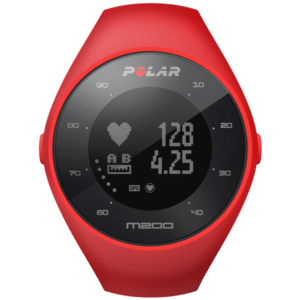
Polar Electro, a company that focuses on manufacturing sports training computers, recently unveiled a new GPS-enabled running watch called the Polar M200. The Polar M200 is currently available for purchase in the United States at $149.95, as well as a few other countries, and will be available globally toward the beginning of 2017.

The concept behind the Polar M200 was an easy-to-use fitness device that still boasted the latest technology. Polar wanted this watch to be good for new runners, but appealing to those who are advanced as well. read more

GPS Enabled Pedal to Decrease Band Theft

smrt

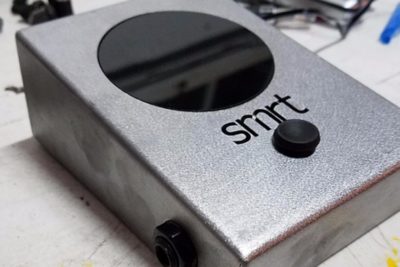
Unfortunately, stealing from music groups in St. Louis is pretty common. It’s an issue that has been going on for years, and ultimately is hurting the music scene in the city. Robberies of tour vans have become so common, in fact, that many artists refuse to play in St. Louis anymore.

One musician who suffered from the robberies, a hip-hop artist that goes by Spose, went as far to say, “If you wanna see me perform in the future come to Chicago or something, cuz St. Louis is dead to me.” Obviously, there is a real need for something to solve this issue, so Jesse Caron, St. Louis native and owner of Gigbox, decided to take matters into his own hands.  read more

No Satellite Next-Gen Navigation System

uas

Credit: UCR

We all know that while GPS is great for getting us from point A to point B and about a million other things, but there are still flaws in the system. There are instances when GPS signals just can’t reach you, not to mention the signals put out from GPS are actually pretty weak, which leads to spoofing and jamming. Of course, GPS issues are no small problem for conventional cars, but with self-driving cars and unmanned aircraft systems (UAS) on the rise these issues could become a lot worse. We will need a much more accurate navigation system, or at least a back-up.

Currently, the only global navigation systems in place or developing operate by using satellites. This includes the United States’ GPS, Russia’s GLONASS, and Europe’s Galileo. Since all of these systems function primarily the same, they all have about the same accuracy. The University of California Riverside (UCR) has the Autonomous Systems Perception, Intelligence, and Navigation (ASPIN) team focusing on creating an alternative navigation system, and they’ve recently made some big discoveries.

read more

Built in GPS Disappoints Customers

rent1

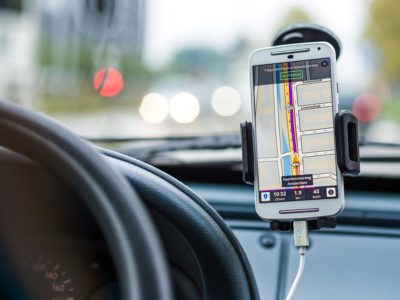
Technology in the world today is advancing so fast that it is sometimes hard to keep up. With that being said, more and more cars are coming equipped with a built-in navigation systems so that consumers won’t need to use a stand alone model or their smartphone.

Unfortunately, while the technology is becoming available for the public, not many people are utilizing it. In a survey conducted by J.D. Power and Associates, it was revealed that about 1/3 of people who had built-in navigation gave up on it after less than 2 weeks, and more than half never used it at all. Additionally, almost 2/3 of people with the built-in navigation said that they continue to use their smartphone as a GPS at least some of the time. read more