TomTom has released a map update for their popular mapping database, adding new city and road information for four countries. This map update adds Algeria, Colombia, Israel and Yemen to TomTom’s already extensive list. TomTom Maps now includes 118 countries and covers more than 42.8 million kilometers (about 26.6 million miles) of road and infrastructure and covers around 4.1 billion people worldwide. All of this information is integrated into TomTom’s premier navigable map database, MultiNet, which allows automotive, enterprise and government customers to develop cutting-edge applications that feature turn-by-turn navigation, routing display, and geo-coding features. read more

Archives for July 2014
Greetings from GPS Tracklog’s New Writer
As most of you probably know from reading Rich’s goodbye and Matt’s greeting article, GPS Tracklog is under new management. My name is Liz, and I am the new writer for the blog, so I just thought I’d take second and introduce myself. read more
Touratech Announces Anti-theft Mount for Zumo 590LM
Touratech has announced the release of their latest anti-theft device, designed exclusively for Garmin’s new Zumo 590LM GPS. This locking mount gives riders the confidence to momentarily leave their bikes unattended and provides a tenacious grip on the unit, absorbing damaging vibrations. read more
New GPS Sport Watch with Connected Devices Announced
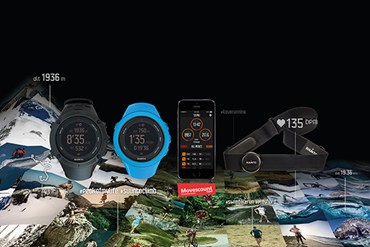
Suunto has announced a whole family of connected devices to help athletes and outdoors enthusiasts get the most out of their sports adventures. Suunto’s first Bluetooth Smart compatible product family consists of a new Suunto Movescount App, Suunto Ambit3 Peak GPS Watch and Suunto Ambit3 Sport GPS watch, and the Suunto Smart Sensor for heart rate monitoring. The device family can either be used together or separately, and will be available for purchase in the beginning of September, 2014. Details on price have not yet been released. read more
Op-ED: GPS Tracking… How Far is Too Far?

GPS tracking devices, such as the KizON recently released in Korea, are becoming more and more common.
Since it was first available to use for free by the general public, GPS technology has expanded in wonderful ways beyond the obvious mapping uses. With GPS technology, you can play games integrated with real locations, discover new places of interest, map out routes for hikes and cycling, keep track of items you always lose (like your car keys), navigate through the air or water more accurately and even track pets and people.
But with this technology comes a lot of gray areas. We have the ability to track people through their cell phones and other devices, but is it acceptable to do so? How about placing tracking devices on pets or children? What about employers tracking the movements of their employees or their company vehicles? Is it ok for the police to track suspects using GPS?
There are a lot of things in the GPS tracking world to debate, so I thought I’d take a moment and talk about what is and isn’t allowed and maybe ask some questions that ought to be considered. read more
Sci-Fi Meets Reality with New HUD Display
While we may not yet have flying cars, technology keeps getting us closer and closer to the world we see in sci-fi movies and films. I am pleased to say that augmented reality displays for navigation are finally here, and may be installed in vehicles within the next few years.
Yesterday, Continental announced a new Head-up Display (or HUD) that will project navigation and other information right in the driver’s line of sight. This Augmented Reality HUD (AR-HUD) looks very futuristic, projecting directions and warnings so they appear to be part of the road ahead, allowing drivers to keep their eyes where they should be–on the road and traffic. read more
Civilian Anti-Jamming GPS Technology Coming Soon
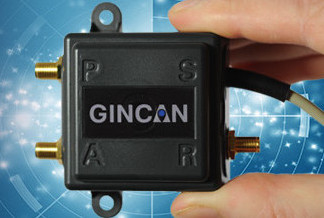
As GPS becomes more and more a part of everyday life, the worry of GPS jamming disrupting the system grows greater. Military research has resulted in several high-tech solutions to the problem: but what about the civilian market? Chemring Technology Solutions has announced the development of the world’s first miniaturized GPS anti-jamming chip, called GINCAN. The device is based on military solutions to the problem, but is small enough to be used in a range of devices from cell phones and handheld devices to in-vehicle GPS systems. It will be compatible with both GPS and Galileo systems. read more
Amazon Seeking Permission to Test Drones Outdoors
We talked about this a few months ago, but in case you forgot, Amazon has been working on the idea of using drones to deliver packages weighing less than 5 lbs. to consumers. These PrimeAir drones, they claim, will be ready to launch in 2015 and will be able to deliver packages to consumers in 30 minutes–as opposed to waiting several days for the old-fashioned truck and delivery man to arrive.
Last week, Amazon announced they are now ready to conduct tests out of a lab setting and have applied with the Federal Aviation Administration for permission to test drones outdoors in their facility near Seattle. The U.S. has regulations about where drones may be tested as well as a complicated string of paperwork proving airworthiness and certifications to operate the drones, so no word yet whether or not it will be approved. read more
Minneapolis Introduces Park GPS Tracker for Guests
The Three Rivers Park District in Minneapolis, Minnesota has announced the launch of a GPS tracking system designed to help vulnerable guests from getting lost. The tracking system is designed to be used to allow visitors with autism, dementia, Alzheimer’s or other conditions that give patients a tendency to wander, the ability to visit the park system without worry of getting lost. The new system, Protect And Locate (or P.A.L.) is available at 26 park locations in the area. With this device, caretakers can set a perimeter and be alerted when the party leaves the area, allowing caretakers to find the patient in minutes instead of hours. The PAL system involves a bracelet for the vulnerable party and a monitor to track them for the caretaker. read more
LG Launches Wearable Tracking Device for Kids
LG is launching into the wearable technology market with no apologies and no reservations. The newest wearable GPS tracking device, KizON, was released in Korea on Thursday and is aimed at preschool and primary age kids. With GPS tracking capabilities and a simple button press to call a pre-selected number (or answer a call) the device is being marketed as a precautionary safety measure for small children and comes in three bright colors: pink, blue and green. Utilizing GPS and Wi-Fi, KizON can relay real-time location information to parents or caregivers and can be tracked on a phone or tablet. read more