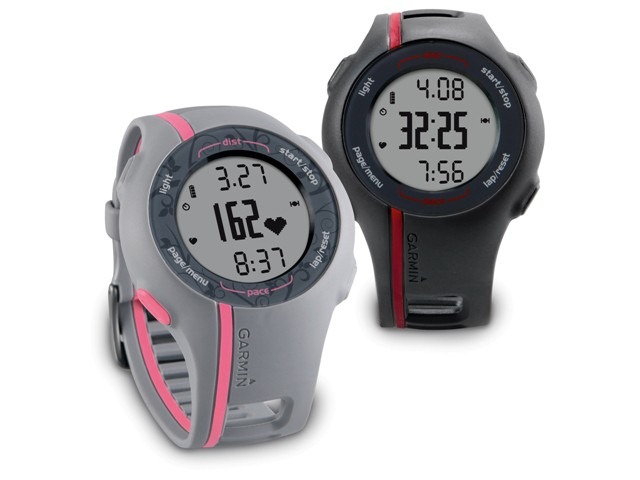
UPDATE: I’ve posted a Garmin Forerunner 110 review
The Garmin Forerunner 110 was announced this morning, updating the popular line of fitness watches with a sleek new entry level product. The Forerunner 110 will have a simplified menu system and will be available with or without a heart-rate monitor. One interesting note is the use of the SiRFstar IV chipset; I believe this is Garmin’s first use of this product. read more
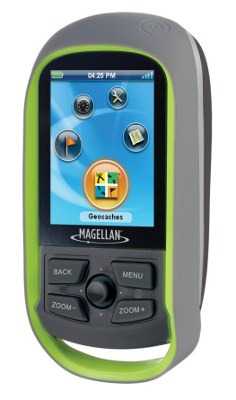
 is a new introduction designed to do one thing well – geocache! It has a 2.2” color (non-touch) screen, 18 hour (rated) battery life and a highly detailed worldwide basemap. And while it isn’t designed for backcountry navigation, it can accommodate 500 waypoints and a 5,000 point tracklog. Really though, the eXplorist GC is a one-trick pony aimed at geocachers, with a low and sure to be discounted MSRP of $199.99.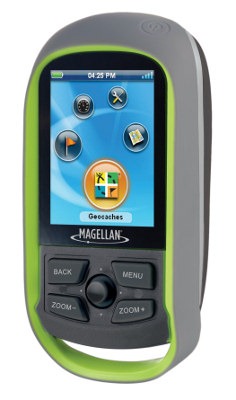
 This is the fourth in a series of posts designed to help introduce beginners to the use of handheld GPS receivers.
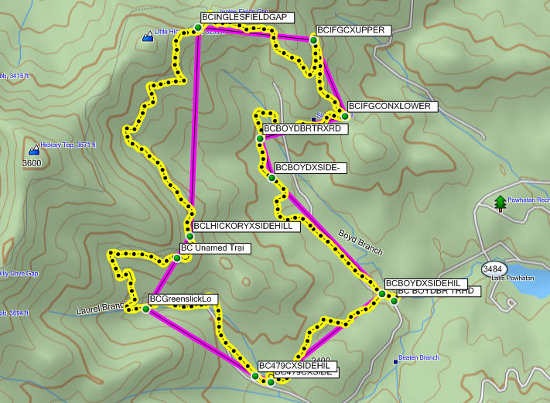
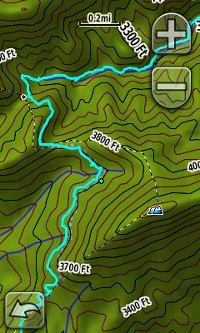 Tracks are a record of where you’ve been. People often use the term “breadcrumb trail,” a la Hansel and Gretel, to describe tracks. Your GPS receiver creates this record as you go along, allowing you to follow the electronic breadcrumb trail back to your starting point. A sample track is shown at left. A hike of a few miles can have 1,000 or more track points, which make up the track (also known as the tracklog — and if you guessed that’s where this site got its name, you’re right!).
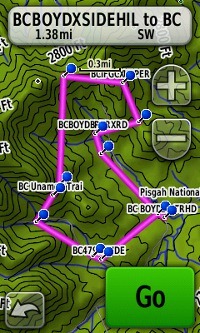 Routes are used for navigation. As the name implies, they are about where you are going. Routes consist of a series of
 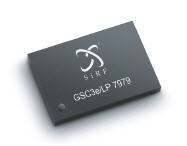 The most common handheld GPS question I get these days is about chipsets. People agonize about buying a unit without the SiRFstar III chip, partly because GPS enthusiasts like me have long
 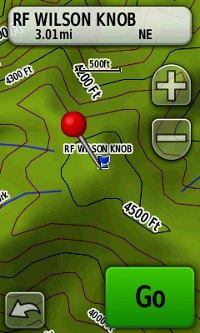 Waypoints are perhaps the single most important handheld GPS term, since they are key to navigation. So here’s our definition: A waypoint is a location which can be stored in your GPS receiver in the form of coordinates, allowing you to navigate to it. Each waypoint has a unique name or number assigned to it.
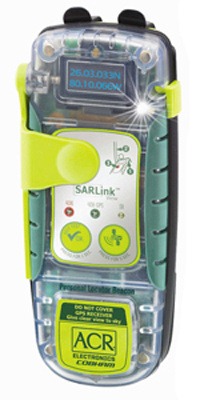 The SPOT Satellite Messenger is getting some new competition from
 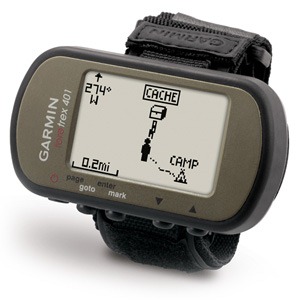 The
The  is a bit unusual. This wrist-mounted unit isn’t a full-fledged sportswatch, nor does it have the feature set found in some of the nicer handheld GPS receivers. It’s probably best suited for folks wanting to minimize the weight of backcountry gear and have the unit conveniently available.