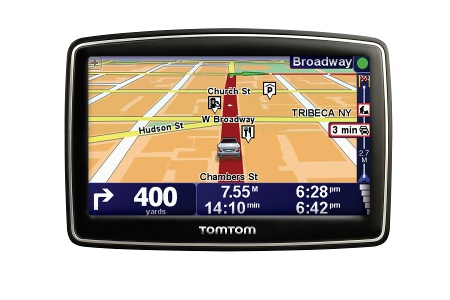
 We knew lifetime map updates were coming to some TomTom units, but an announcement today adds lifetime traffic to the mix and lets us know that lifetime traffic and/or lifetime map updates are now available on select TomTom XL and XXL models.
UPDATE: Amazon has pre-order pages up for several models, listed below. Release dates are April 26 for most units, with a few slipping into May. The ones with lifetime maps have an M; lifetime traffic is denoted with a T, and I bet you can guess what it means when they have a TM (and no, it doesn’t stand for trademark).
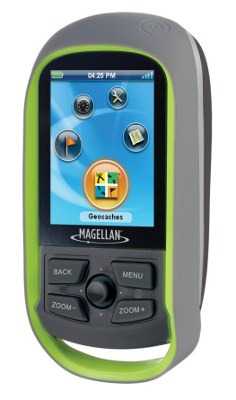
 is a new introduction designed to do one thing well – geocache! It has a 2.2” color (non-touch) screen, 18 hour (rated) battery life and a highly detailed worldwide basemap. And while it isn’t designed for backcountry navigation, it can accommodate 500 waypoints and a 5,000 point tracklog. Really though, the eXplorist GC is a one-trick pony aimed at geocachers, with a low and sure to be discounted MSRP of $199.99.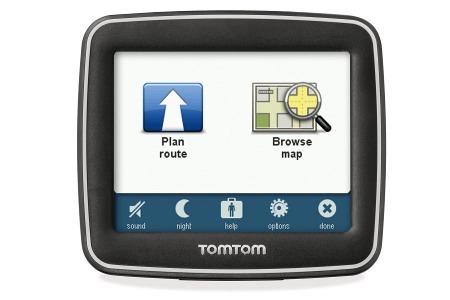
 is a new entry-level unit with a 3.5” screen, text-to-speech, 3 million points of interest and pre-loaded maps of the US. But what really makes the EASE attractive is the fact that it includes IQ Routes, TomTom’s historical road speed database that can make for significantly improved routing. This feature is not included in many other low-price TomTom models, so I was quite pleased to see it included on the EASE.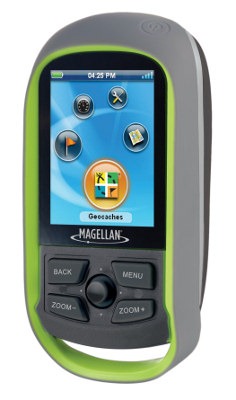
 TeleNav is releasing some data this morning that isn’t too startling in its own right, but it speaks to a revolution in market share analysis. Companies like Nielsen and Arbitron estimate media market share, but GPS-enabled phones can do them
 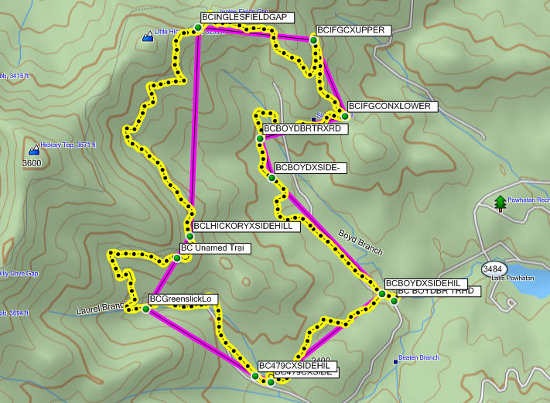 This is the fourth in a series of posts designed to help introduce beginners to the use of handheld GPS receivers.
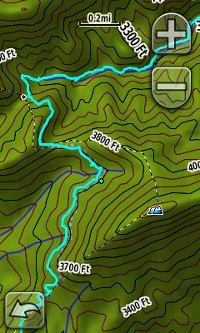 Tracks are a record of where you’ve been. People often use the term “breadcrumb trail,” a la Hansel and Gretel, to describe tracks. Your GPS receiver creates this record as you go along, allowing you to follow the electronic breadcrumb trail back to your starting point. A sample track is shown at left. A hike of a few miles can have 1,000 or more track points, which make up the track (also known as the tracklog — and if you guessed that’s where this site got its name, you’re right!).