Sunday, March 18, 2012

Archives for July 2014

GPS Receiver Demonstrates Anti-Jamming Ability

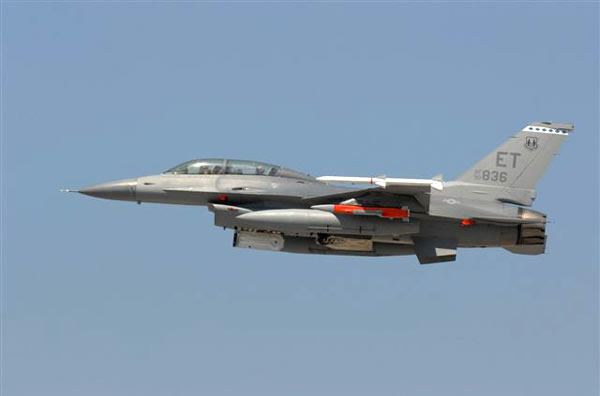
GPS Jamming could make aircraft, like this F-16 lose its heading. Photo by Raytheon

GPS Jamming could make aircraft, like this F-16 lose its heading. Photo by Raytheon

With all the potential risks of GPS jamming and spoofing, officials all around the world have been researching methods of boosting their GPS signals and making them more accurate with technology like the eDLoran and anti-jamming chips. Now, according to a press release by Raytheon, the U.S. Air Force has demonstrated successful operation of its Military-code (M-code) GPS signal in a jamming environment using a Raytheon Company receiver.

In a recent test, the Miniaturized Airborne GPS Receiver 2000 (MAGR2K) maintained GPS satellite tracking and provided accurate navigation despite GPS jamming attempts. The MAGR2K was integrated with the Raytheon Advanced Digital Antenna Production (ADAP) system and equipped with a specialized M-code receiver card. read more
Researchers Investigate Scenic Route Options for GPS


Beauty Routes

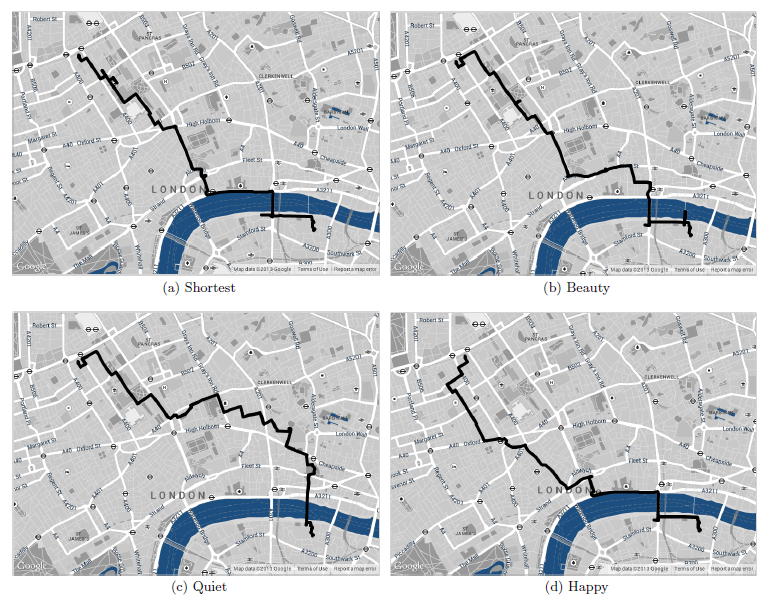
New route options, such as most beautiful, quiet or happy paths may be coming to online mapping programs.

When you search for a route using your GPS device or an application like Google Maps, you have several options for what kind of a path you want—walking, cycling, fastest, shortest—but what if you could plot the most beautiful route as well? Yahoo Researchers have conducted a study proposing methods for selecting the most scenic route to get from point A to B instead of just the fastest.

“We find that, on average, the recommended paths are only 12% longer,” the study states. In  walking time, that would equal to about 7 minutes extra time in order to take the more scenic route.

read more

New Workforce GPS Tracking App Announced

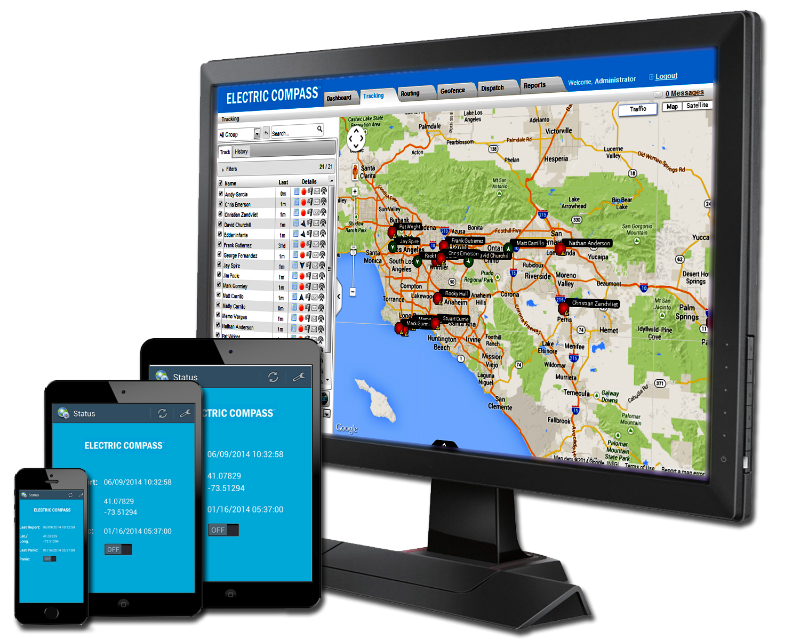
Electric Compass Tracker Edited

A new GPS tracker app designed to help businesses track their workforce and assets in the field has been released this week. The Electric Compass Tracker will allow employers to see the location of all their workers in the field in real-time, allowing managers and dispatchers to more effectively address field business issues and increase productivity. The app can be used on any Android, Blackberry, iPhone, or iOS device and works with installed vehicle trackers and asset tracking devices also.

This app allows managers to find the closest worker to a location to respond to service calls or sales opportunities; receive alerts for workers speeding, entering or leaving undesignated areas or unauthorized travel; view full GPS history of workers movements and time elapsed; or access worker locations anywhere from a smartphone or tablet. read more

Russia, China Partner to Expand New GNSS

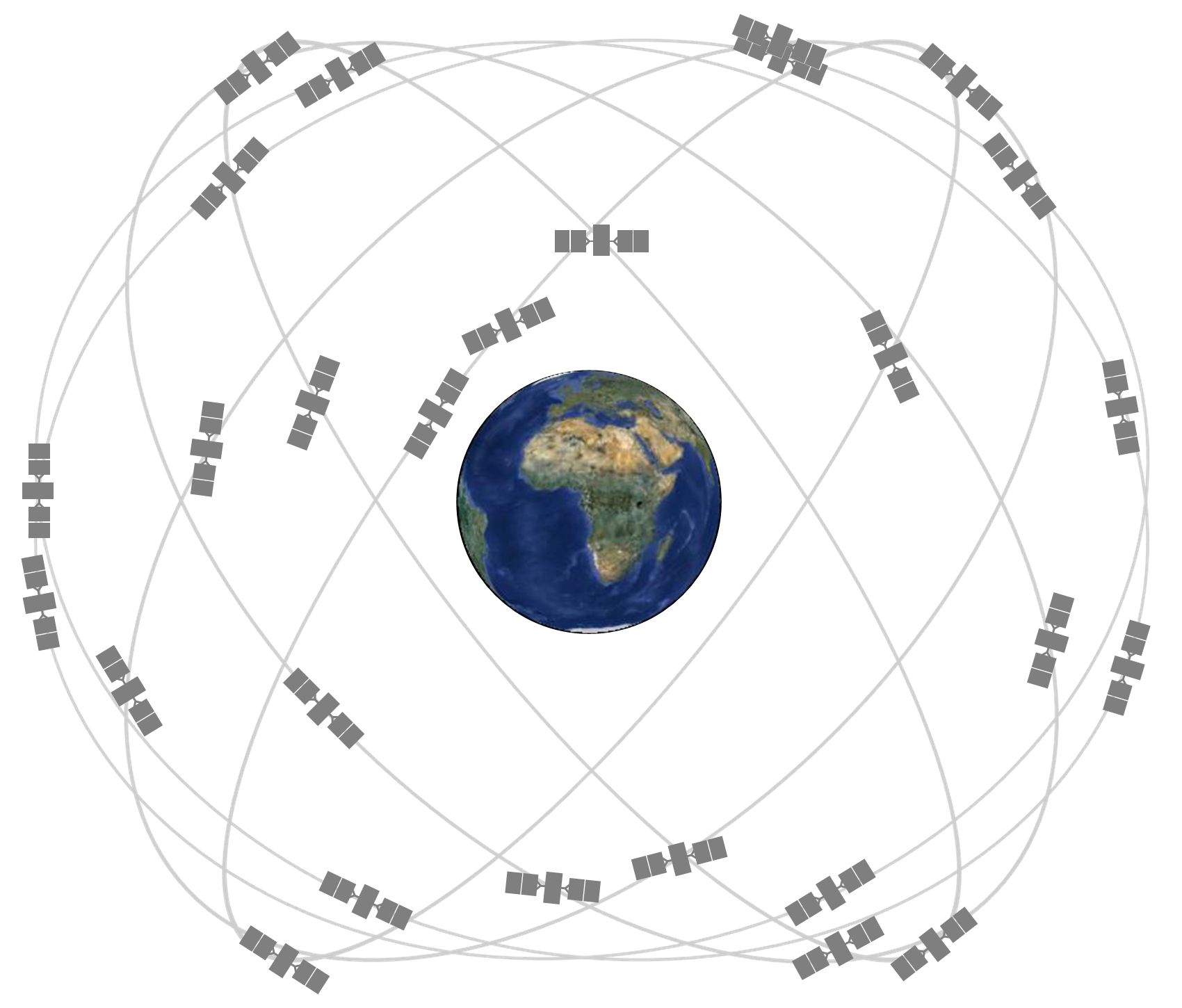
satelliteconstellation

Yesterday it was announced that Russia and China have finished negotiations and have agreed to let the other build stations in their countries to expand Russia’s GLONASS and China’s BeiDou satellite system. The agreement will help expand both networks and increase flight navigation security and overall precision. According to an article posted on Voice of Russia, this cooperation will also allow for system integration between GLONASS, BeiDou and GPS.

“We have agreed to cooperate on several pilot projects. The first one involves putting a local monitoring and correction station … [at] one Chinese airport. This navigation, landing and signal monitoring system will provide satellite navigation for flights using the zonal-navigation method, working on two constellations, GLONASS and BeiDou,” said Yevgeny Belyanko, GLONASS’ Vice President, according to an article posted on Russia Beyond the Headlines. read more

Webinar: GPS Advances Change the Surveying Industry

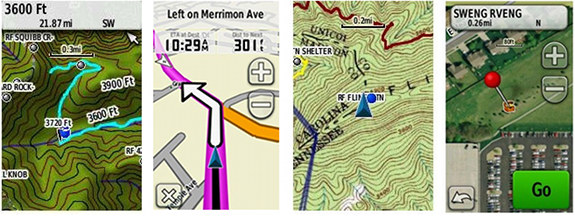
Maps for handheld Garmin GPS

With so many maps at the layman’s fingertips, where do surveyors stand?

As GPS and GNSS technology expands and becomes more and more precise and refined, it means interesting changes are coming for any in the mapping industry or the surveying industry. The New South Wales Surveying & Spacial Sciences Institute will be hosting a webinar on July 23, 2014 from 1 to 2 p.m. discussing how land surveyors and those in a similar field will need to change as the proliferation of GPS technology continues to climb upwards and how GPS and GNSS has changed how we as a culture do things.

read more

One of Industry’s Smallest Bike Trackers Coming Soon

French company Nigiloc has been developing one of the world’s smallest GPS tracker to use on your bike or scooter. Utilizing SigFox connectivity, these low-cost, low-power GPS trackers will run for two years on a single battery and won’t mess up the sleek look of your ride.

The devices, Nigibike and Nigiscoot, connect to your phone via Bluetooth and every time the device moves, it will search for the paired device. If it finds your phone via Bluetooth, the device will go back to sleep. If, however, the paired device is not found, a SMS and email notification with GPS location will be sent to your phone and email, allowing you to find your potentially stolen property. read more

New Precision Farming Technique Uses GPS

precision-farming

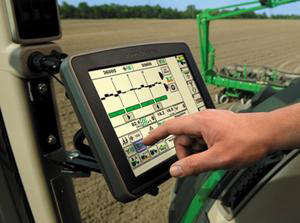
When most people think of farming, there a lot of images that immediately come to mind—animals, tractors, farm equipment—but what about drones and GPS? Precision farming has been rising in popularity over the last few years and is way  more tech-savvy than most people would expect. read more

Europe’s Galileo System Will Surpass Current GPS System

satelliteconstellation

The current GPS Satellite constellation is run by the US and features around 30 satellites.

Yesterday, the European Space Agency (ESA) announced they plan to launch their own version of satellite GPS and end Europe’s reliance on America’s GPS system. The ESA has been developing the Galileo system for several years and currently have four satellites in orbit with plans to launch the remaining 26 over the next few years. An article on the International Business Times says that the Galileo system will be nearly twice as accurate as the current GPS system in use and will be able to provide accurate location (within 100 meters) anywhere in the world in as little as 30 minutes, claiming that the current GPS system can take a minimum of 45 minutes (usually longer) to establish a similar location. The ESA website claims Galileo will be accurate within a few meters once fully operational. read more

Exploring the World With GPS Games

Hikers-with-GPS-hiking_thumb.jpg

Part of the wonder of GPS is that you can go anywhere and never have to worry about getting back. But if getting there is the best part of the journey for you, then check out these GPS games you can play by yourself or with others. It’s a great excuse to get out and enjoy the beautiful summer weather and maybe discover something amazing! read more

Survey says GPS Leads a Majority of Drivers Astray

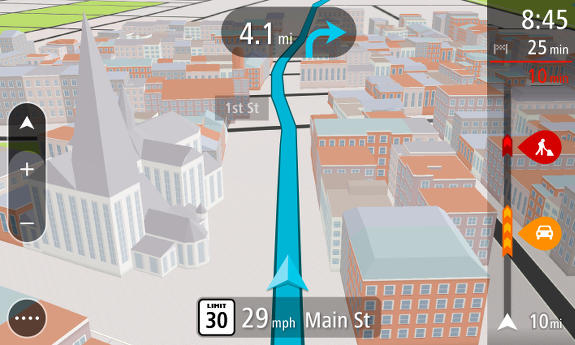
NAV4_3D_US 1-01

A study released by Michelin/Harris Interactive shows that more drivers are led astray by GPS than not. Conducted in 2013, the study stated that 63% of U.S. drivers who have used GPS say the technology has led them astray at least once by pointing them in the wrong direction or by creating complex, confusing or incorrect routes. Of the 2,200 individuals surveyed, the average times that GPS took them off track was 4.4 times. According to the survey, nearly 7% of all U.S. drivers who use GPS have been misdirected more than ten times.

So how do you avoid getting lost using GPS? And why does it happen? Great questions. Let’s take a look. read more