This week in GPS is a weekly link roundup of (mostly) GPS related odds and ends, from GPS Tracklog and other places around the Web. This week’s featured image is the logo for a new GPS app that gives directions like a local and allows users to record information about their routes. Read more about it and other GPS news below! read more
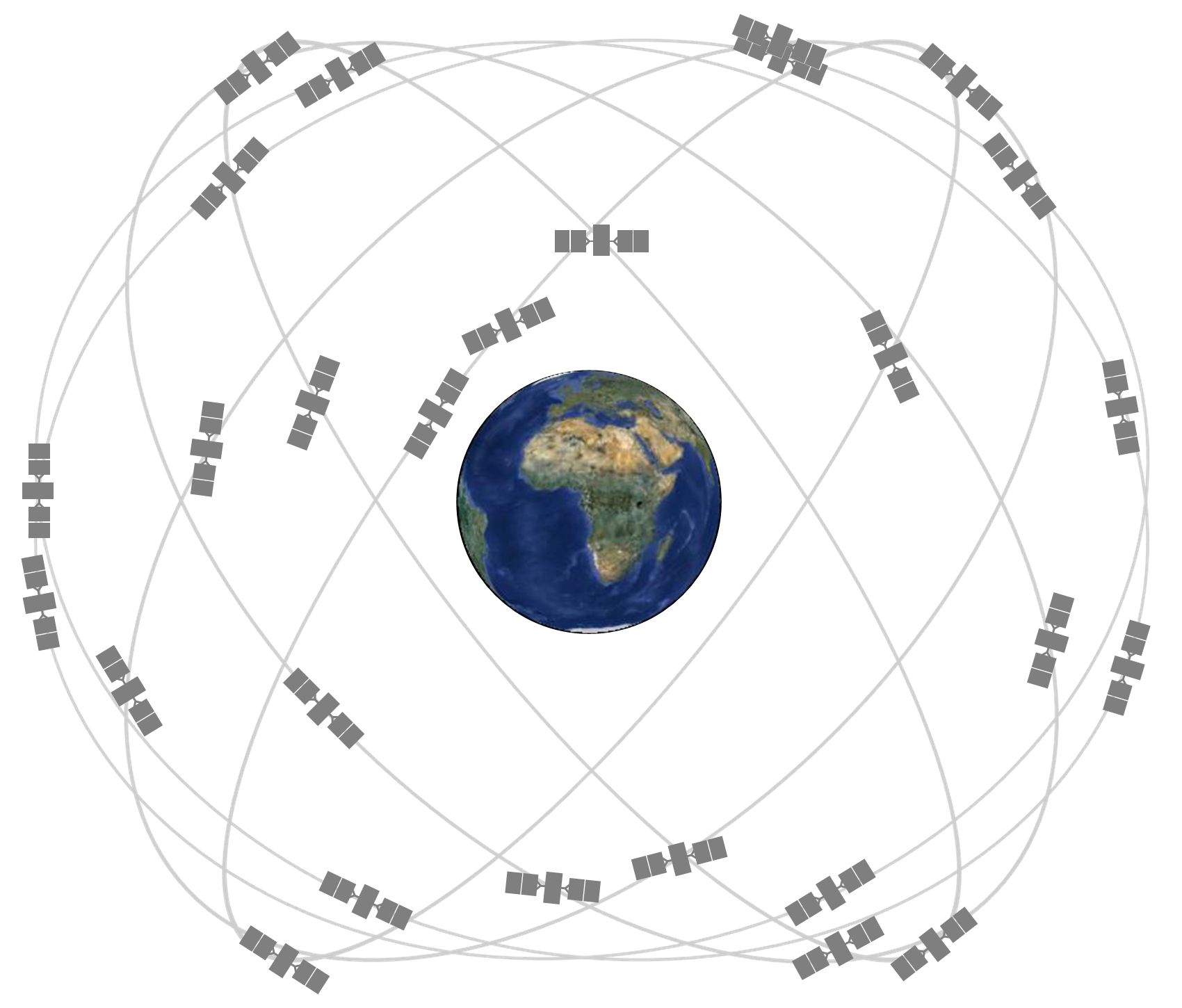
While the United States’ GPS system was the first complete navigation constellation in the world and has provided millions of people with location information with increasing levels of accuracy, it is by far the only system available. I write a lot about Galileo and GLONASS–the two more popular GPS alternatives–but there are countless other countries that have their own regional satellites or partially-finished programs as well. And while GPS is still the most widely used system in many parts of the world, it’s a no-brainer that the more satellites a unit can see, the more accurate the positioning will be.
There are a handful of units that utilize both GPS and GLONASS–the only two fully completed worldwide constellations–and the accuracy is greatly improved. Just imagine if Galileo, once completed, was also incorporated. But, while Europe’s constellation isn’t yet complete and cooperation among the various global systems isn’t very high, Inside GNSS reported recently that the US military is currently looking into incorporating signals from international satellite systems for increased accuracy. read more
There are a lot of different parts to the world of GPS. From handhelds to automotive or motorcycle devices, GPS trackers, and fitness GPS units, they’re all very different. However, I think that pretty much everyone can agree that the market is changing. Smartphones are causing steady declines in the automotive segment (although it’s still holding on, contrary to all of the dire predictions of analysts in the last few years) and the fitness tracker category has grown to soaring heights of popularity. Heck, there are more fitness trackers that I can keep up with and they run the gamut from professional runner level statistic trackers that do everything but run for you all the way down to glorified pedometers. But, one has to wonder, with the GPS fitness industry growing so fast, what is the effect on users? read more
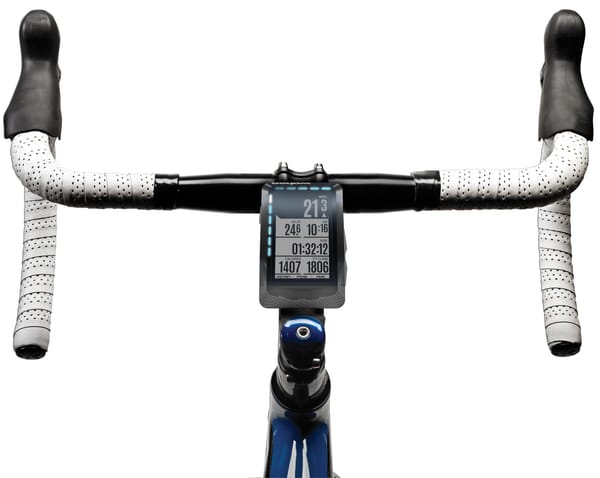
This week in GPS is a weekly link roundup of (mostly) GPS related odds and ends, from GPS Tracklog and other places around the Web. This week’s featured image is the new bicycle computer from fitness company Wahoo. The Elemnt is the company’s first foray into GPS. read more
The GPS market is pretty saturated and in most segments is pretty well controlled by Garmin. And, while I think that Garmin makes some pretty solid products, it’s always nice to see newcomers getting their feet wet in this rapidly growing market. The most recent entry into the world of GPS is the fitness company Wahoo, who recently introduced its first GPS cycling computer, a device called the Elemnt.
This standalone unit does all of the things that you would expect from a midrange GPS device including measure key metrics like speed, distance and elevation as well as provide route navigation, live tracking and even notifications from your smartphone. It is designed to be simple, although I haven’t personally tested it to see if that’s actually true. read more
When you think about GPS, you probably imagine satellites hovering over the Earth, sending down rays of signals to help pinpoint an exact location. Or perhaps it brings to mind your latest hike, run or ride. Maybe you think about getting directions to your in-laws house last Christmas, or your spouse getting lost (somehow) by not paying attention and forgetting their GPS. But for many people GPS will soon be synonymous with something completely different–gaming.
Smartphone gaming has been taking off in recent years, and so it’s not really that much of a surprise that a few companies have begun to utilize ways to use GPS technology to make a game more interactive. Heck, GPS games like Wherigo have been around for years. Even Geocaching is kind of a like a game. But now developers like Nintendo are getting in on the action with popular titles like Pokemon. read more
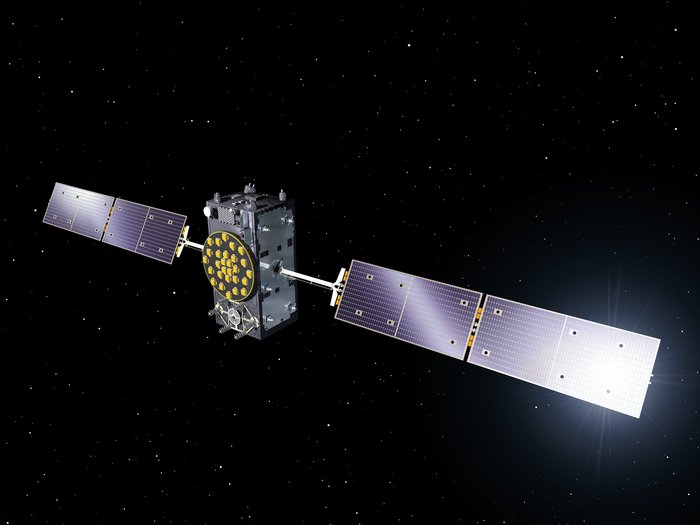
This week in GPS is a weekly link roundup of (mostly) GPS related odds and ends, from GPS Tracklog and other places around the Web. This week’s featured image is a Galileo satellite in honor of the recent successful launch which firmly brought the constellation to the one-third mark for completion. The full constellation is expected in 2020.
Here are some other things going on in the world of GPS this week: read more
There are a lot of different choices for GPS apps if you’re looking for navigation on the highway. From Google Maps to Waze or even some of the more expensive applications like Sygic Navigation. However, while these apps all have their own pros and cons, most of them don’t offer a lot in the way of street navigation and all of them use your phone’s data.
I know I have talked about the fantastic little app MAPS.ME before as it’s my current favorite mapping program for those moments when I’m out and about with friends or family and don’t have my GPS on me. The app is free to download and provides some pretty good maps powered by OpenStreetMap and my phone’s admittedly not the greatest GPS. However, it looks like MAPS.ME recently got a huge upgrade in the form of walking directions. read more
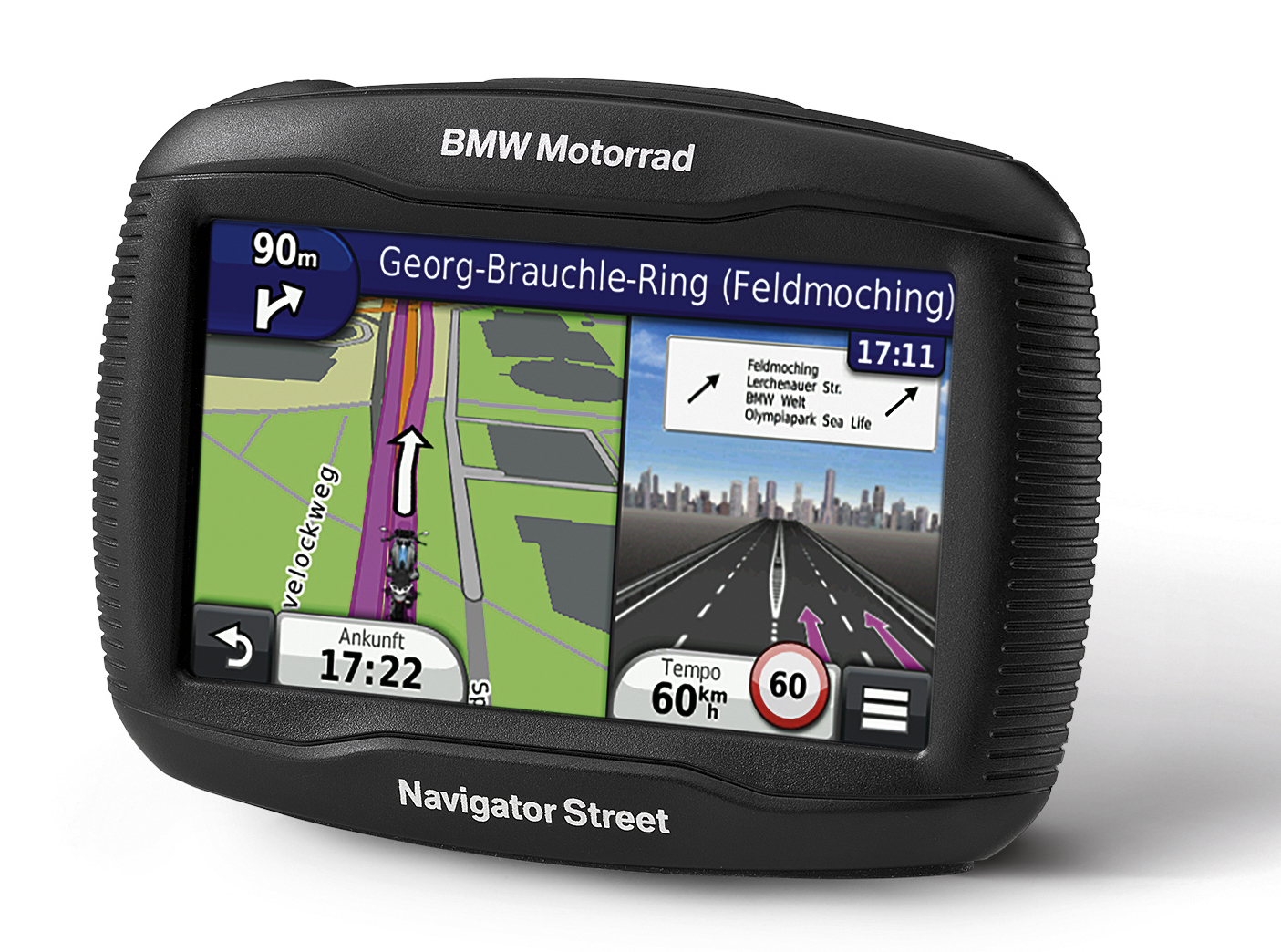
When it comes to GPS units, motorcycles have a slightly different set of needs than cars or bicycles. Several companies have introduced motorcycle-specific units with varying degrees of success. And, most recently, it looks like Garmin and BMW have teamed up again with an expansion to the BMW Motorrad Navigation line.
The new Navigator Street is not yet available and there really isn’t all that much solid information on the unit. But with what information I could find it looks like this unit could be pretty nice for all you motorcycle fans out there. read more
The European Space Agency successfully launched two new Galileo satellites into orbit last Friday from Europe’s Spaceport in French Guiana. The two satellites took off at around 2:08 GMT on September 11 and were numbers 9 and 10 in the constellation. This most recent launch is the second of four launches scheduled for 2015 and brought the total number of Galileo satellites in orbit to ten. read more
"We were desert mystics, my few friends and I, the kind
who read maps as others read their holy books."
– Edward Abbey from Slickrock —
The Canyon Country of Southeast Utah