For the last few months, there have been plenty of odd reports coming out of Russia that there is a GPS anomaly in central Moscow. And, as the reports have become more and more frequent and the Russian government continues to stay quiet on the matter, some people believe that it may, in fact, be a case of GPS spoofing.
According to the CNN report, many people are experiencing glitches in their GPS devices when nearing the Kremlin. This glitch, or anomaly, suddenly forces their device to show users located in Vnukovo airport—nearly 20 miles away from the Kremlin. It’s notable that it’s not just the Kremlin—the signal reportedly fluctuates all around Moscow but is most noticeable closer to the Kremlin. read more
Every winter, thousands of people get lost in the snow, or have an accident of some sort and end up in a ditch with snow everywhere. And, depending where you are, it can sometimes be hours before search and rescue crews can find your vehicle and lend aid. However, something that many people forget about is using GPS to speed things up a bit.
Now, I know what you’re thinking: if you’re already lost, how is a GPS going to help you? If your location had an address, then you wouldn’t be sitting in your car, waiting for rescue teams (or a tow truck or a friend) to find you and help get you back to safety. But, what most people don’t consider is that GPS relies on not only satellite signals, but latitude and longitude coordinates, which can help rescuers find you immediately.
While I dearly hope that no one needs any of this, here are some ways that you can find your latitude and longitude in an emergency: read more
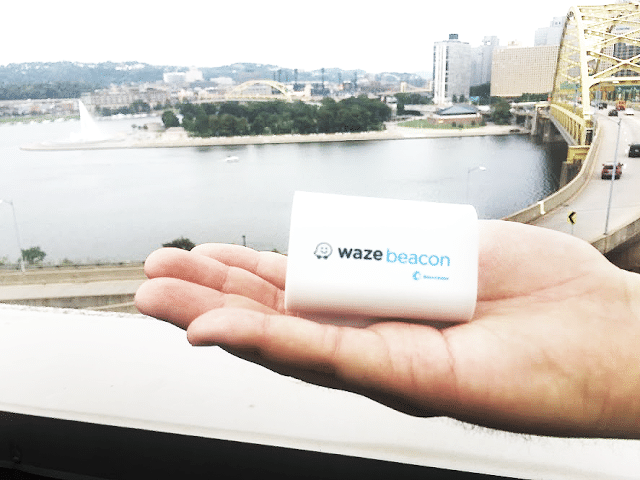
We’ve probably all had it happen. You’re driving along and your route takes you inside a tunnel where, suddenly, your GPS device is completely useless and you find yourself squinting along at signs trying to figure out which lane you need to be in. Because GPS signals are transmitted from satellites, dense cover and underground locations (like tunnels) have always been a challenge. While manufacturers have managed to improve GPS technology so many devices can keep signals in dense undergrowth and in canyons, having a signal underground is a different challenge altogether. But, it looks like Google’s secondary navigation company Waze has a solution.
The Waze Beacons Program uses modified Bluetooth beacons in order to communicate location with your device. From what it looks like, the beacons currently will only work with the Waze app, but the signals are unencrypted so other manufacturers like Google or even Garmin, could take advantage of them as well. read more
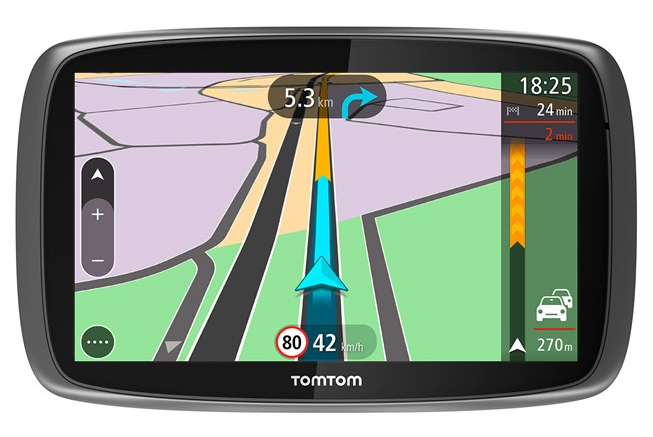
TomTom, the Dutch navigation and mapping company, has announced that it has expanded its deal with the GPS navigational software company MapQuest. The original deal, which was first struck in 2012 and has been extended since then, allows MapQuest to use TomTom’s extensive map database for its digital platforms. But this year, some additional things were added.
According to the press release, MapQuest, a subsidiary of AOL, has also brokered access to TomTom’s traffic information, leading speculation that MapQuest will soon be offering better traffic options. Currently, MapQuest already offers some traffic information for drivers, although it is not always accurate. However, this partnership may mean some big things for MapQuest. read more
Devices like this TomTom Trucker might have prevented the entire incident.
There are many different kinds of GPS devices and here at GPS Tracklog, I try and do my best to cover as many of them as possible. However, one thing that I don’t really write about (due to it’s immense specalization) is commercial GPS devices designed for truck drivers. These devices contain specific perimeters designed to help professional drivers choose the safest routes, and this blog is really more dedicated to hobbyists and GPS enthusiasts. However, today I saw an article that simply proves that drivers need to be more aware of what kind of GPS device they are buying.
According to a news site in Schenectady, NY, a truck driver recently hit a low hanging bridge in Glenville, NY, damaging his truck and halting traffic on the road. And, more interestingly, this was the second accident of its type that day alone. The bridge in question, the Maple Avenue Bridge in Glenville, NY, has been hit an estimated 20 times since 2013 when the road was widened. While you can read the full story here, basically it looks like yet another case of someone following a GPS device blindly, but with a little twist. read more
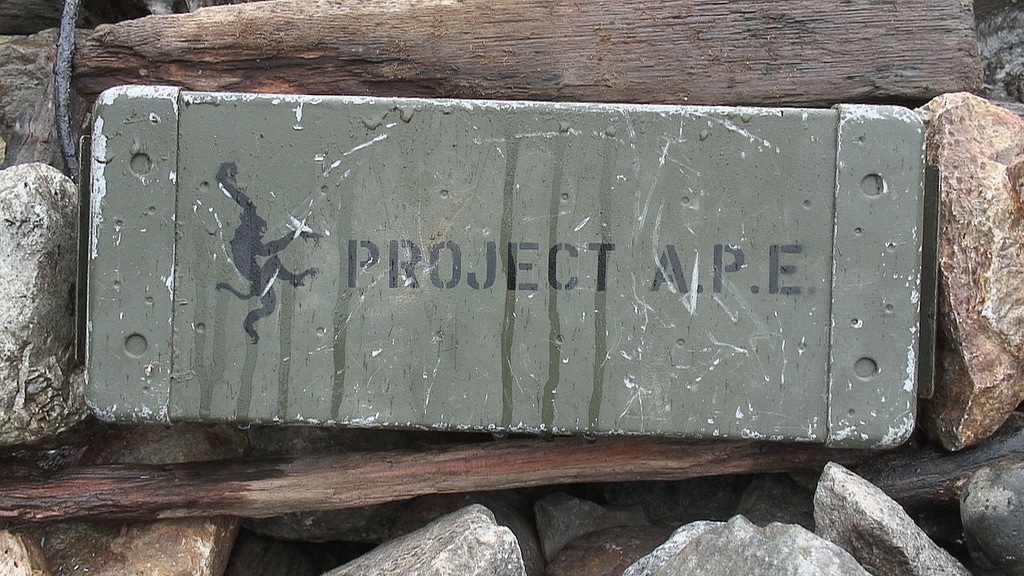
This week in GPS is a weekly link roundup of (mostly) GPS related odds and ends, from GPS Tracklog and other places around the Web. This week’s featured image is an APE cache, as one was recovered this week in Washington, original case and all! Below, you’ll find some other things going on in the world of GPS this week. read more
Geocachers simply love their acronyms. It’s not uncommon to open a logbook or read the notes on a cache only to find a string of what looks like alphabet soup. And, while some of them are standard, many geocachers make up their own acronyms which makes things extremely complicated. However, there are a handful that everyone should know.
1. FTF – First To Find
This acronym is often written in logbooks or online when a geocacher is the first one to a newly created cache. Getting an FTF is pretty exciting and something that many geocachers strive towards. read more
It’s true that smartphones are rapidly overtaking GPS technology, and since everyone has a cell phone, for some people it might seem like a waste of money to buy a device that does something your smartphone can already do. Heck, that mentality is exactly what keeps me from getting a tablet—I already have a phone and a laptop; how could I possibly justify the expense?
However, what many people don’t realize is that while smartphones do have a lot of overlap with dedicated GPS devices, there are things that really make it far more worthwhile than people realize. And yes, you could get around most of these if you really wanted to, but using a GPS device negates the need for all of those workarounds. read more
Easily one of the greatest and most compelling mysteries in the geocaching world has to be the location and fate of the fabled APE caches. Sought after by millions of Geocachers around the world, many of these caches have been reported missing (most likely ‘muggled’) or simply located in hard-to-find spots, like the one in Brazil.
However, it looks like one of the original APE caches was recently found in Washington, thanks to a dedicated team of geocachers. The missing cache, Mission 9: Tunnel of Light, was found more than 3,000 times before being muggled and eventually archived in 2011. But, now that it has been found, the debate has begun about what to do with the cache. read more
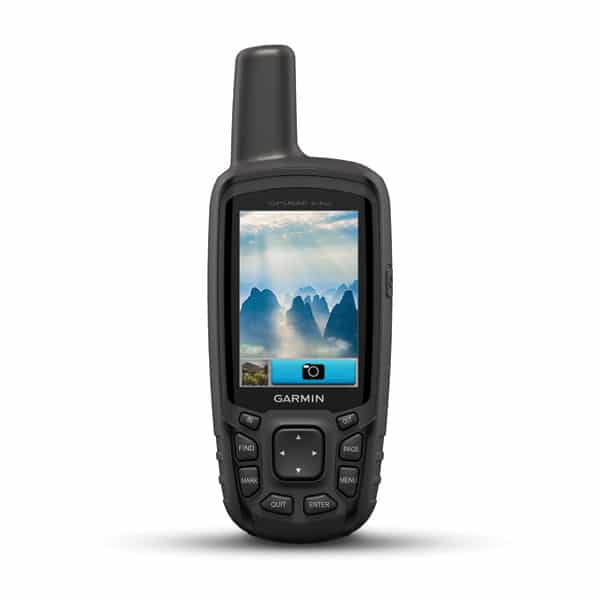
Earlier this month, Garmin announced an addition to its popular GPSMAP devices. The GPSMAP 64sc might look very similar to other GPSMAP units, but it packs quite a few additional features that are sure to make it a win with hunters, geocachers, and hikers alike. Unlike previous editions. the GPSMAP has added an 8MP camera with flash and geotagging, so users can take pictures of the breathtaking views they see on their journeys. The unit also features a dual GPS and GLONASS receiver, allowing it to acquire and maintain signals better even under heavy foliage and in canyons.
Of course, the unit also features a range of features that are similar to other devices in the lineup. Here’s a list of just a few of the perks of Garmin’s newest device: read more
"We were desert mystics, my few friends and I, the kind
who read maps as others read their holy books."
– Edward Abbey from Slickrock —
The Canyon Country of Southeast Utah